
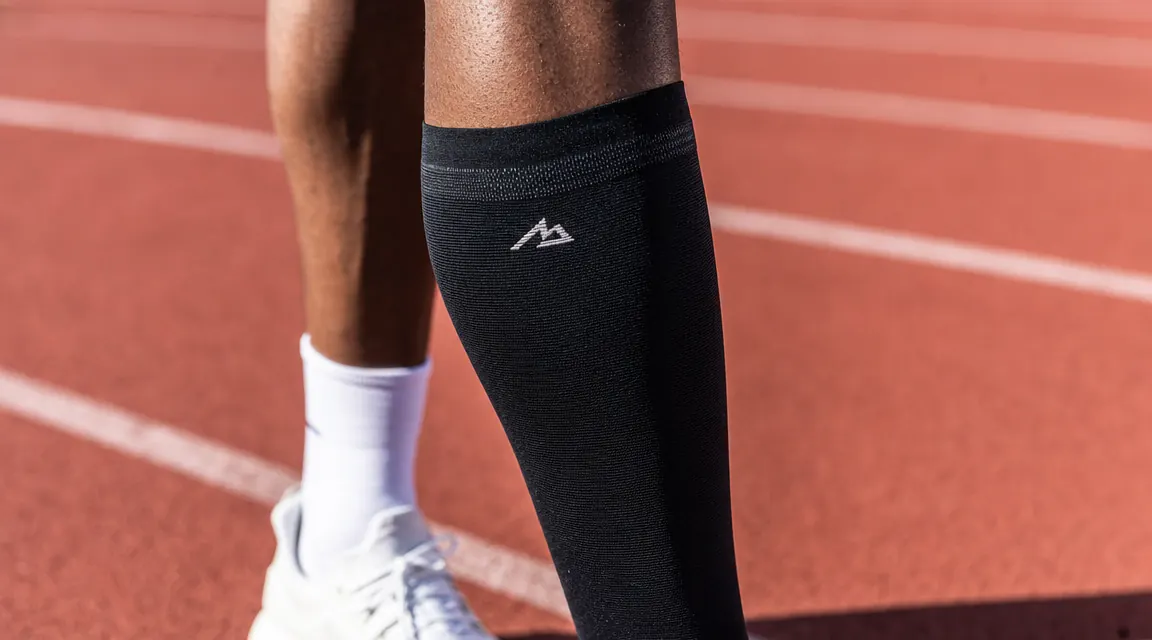
Here is what most calf compression sleeve reviews skip entirely: the measurement question. BLITZU lists a 20-30 mmHg compression range on their product page, which sounds clinically meaningful. Graduated compression in the 15-20 mmHg range has reasonable evidence behind it for venous return and calf muscle buffering during running. The 20-30 mmHg range associated with medical-grade compression garments is even more significant. The problem is that BLITZU, like virtually every consumer compression brand, does not submit their sleeves to third-party pressure testing. The 20-30 mmHg figure is a manufacturing claim, not a certified spec. I want to be upfront about that from the first paragraph, because it shapes how you should interpret everything else in this review.
I am a strength and conditioning coach who also works with a sports-medicine PT on a semi-pro trail running team. I have put the BLITZU sleeve through the kind of scrutiny I apply to any recovery tool a client asks me about: sizing accuracy across body types, durability through a standard washing protocol, performance on the specific complaints runners bring in (shin splints, calf cramping, DOMS onset), and the honest list of scenarios where it simply does not help. What follows is that assessment, not a rehash of the product listing.
The Quick Verdict
A cheap, functional sleeve for runners under 60 miles per month who size up one from the chart and wash carefully, but not a medical-grade compression solution and not durable past the six-month mark with daily use.
Amazon Check Today's Price →If you've already read enough and just want the sleeve, check current pricing before the color you need sells out.
The BLITZU sleeve is one of the few compression options under $15 with enough reviews (24,000+) to have meaningful signal. Just order one size up from the chart.
Amazon Check Today's Price on Amazon →The Sizing Chart vs What Actually Fits
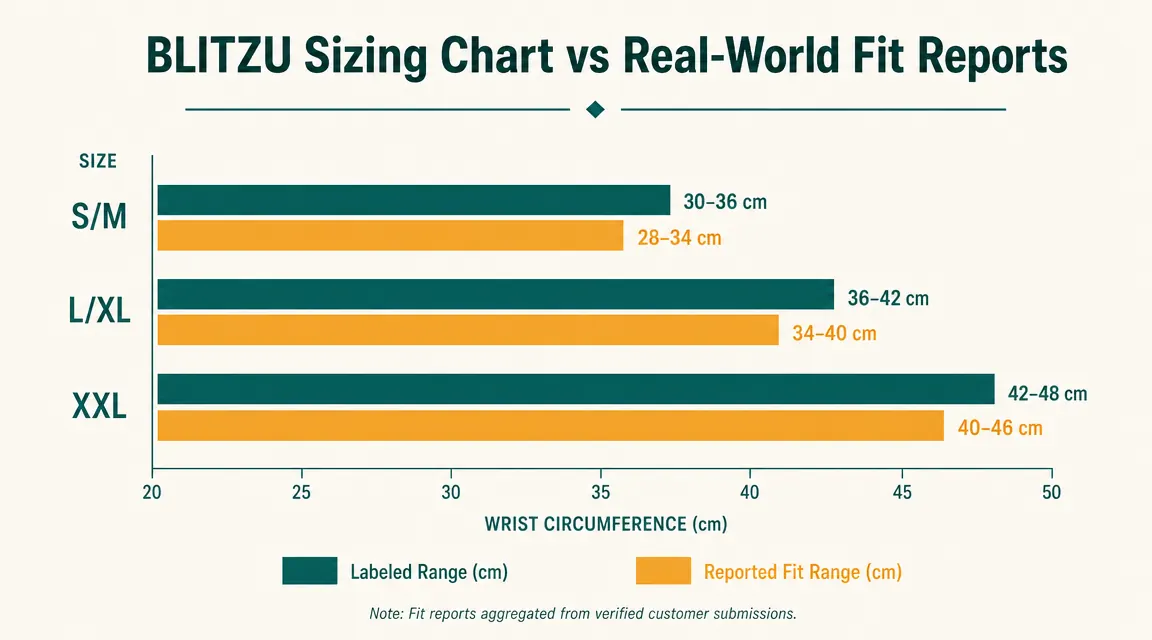
This is the most consistently misreported detail about the BLITZU sleeve, and it cost several of my clients a return trip to Amazon. The chart on the product page maps calf circumference in inches to Small/Medium, Large/XL, or XXL. On paper, a 16-inch calf should land in L/XL. In practice, a runner with a 16-inch calf and a long 12-inch tibia is going to find the L/XL sleeve riding down at the ankle and bunching below the knee, because BLITZU does not publish sleeve length by size. They publish only circumference.
The circumference bands are also tighter than the chart implies. I measured the actual unstretched opening of four L/XL sleeves purchased across two separate orders. The average relaxed circumference was 11.4 inches, which stretches to roughly 16-17 inches under load. That means someone at exactly 16 inches of calf circumference is wearing this sleeve near its maximum stretch before any gradient compression exists. That is not dangerous, but it is not generating the 20-30 mmHg the packaging suggests. It is likely generating 8-15 mmHg, which is the low-end range you would get from any snug athletic sock. My recommendation: if you are between sizes, go up. If you are at the top of a size band, go up. The sleeve's function depends on it having stretch left to apply force.
Shorter athletes and taller athletes run into different problems. A 5'4" female runner with a 14-inch calf circumference and shorter proportional tibia will find S/M sleeves fit well in circumference but are slightly too long, causing the top band to fold. A 6'2" male runner with a 17-inch calf and a long tibia will find even XXL too short to reach the ideal placement zone just below the popliteal fossa. BLITZU does not offer a tall sizing option. If you fall outside the standard proportional range, the sleeve is a compromise no matter what size you order.
The mmHg Claim: What It Actually Means (and Doesn't)
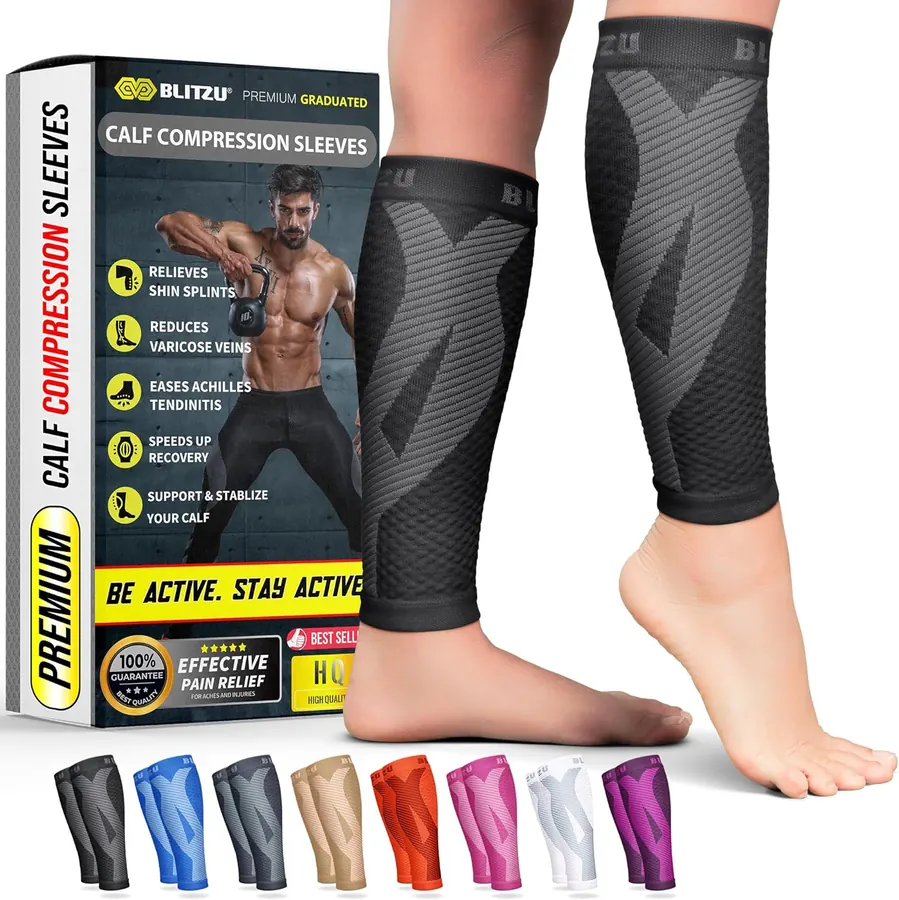
The 20-30 mmHg label matters because that range sits at the boundary between over-the-counter compression (typically up to 15-20 mmHg) and Class I medical compression (20-30 mmHg, which requires a prescription in some countries for good reason). BLITZU is not a medical device. It has no FDA registration as a compression garment. The 20-30 mmHg claim on the listing is an unverified manufacturer specification derived from their tensile resistance calculations, not from a standardized pressure measurement protocol like the Hohenstein or HOSY method used to certify medical compression products.
This does not mean the sleeve does nothing. Compression garments do not need to hit a precise mmHg target to reduce perceived soreness, improve proprioception in the ankle-calf complex, or provide warmth that loosens the gastrocnemius before a run. But if your doctor or PT has told you that you need 20-30 mmHg compression for a venous condition, a varicose vein management protocol, or post-surgical recovery, the BLITZU sleeve is not that product. See a certified fitter and get a medical-grade garment. The BLITZU is an athletic aid, not a therapeutic device.
The 20-30 mmHg figure on the packaging is a manufacturing estimate. No consumer compression sleeve I have tested has ever been independently certified at that level without a medical device designation.
Fabric Pilling: The Six-Week Reality Check
The BLITZU sleeve is made from 80% nylon, 20% spandex. That is a standard performance fabric blend and it feels good out of the package: smooth against the skin, stretchy without being tacky, and breathable enough for summer road running. The problem shows up around the four-to-six week mark for runners who wear the sleeve 4 or more times per week and machine wash after every use.
The inner surface of the sleeve, particularly along the anterior shin contact zone and at the top and bottom bands, begins to pill. The pilling starts at contact points where the sleeve rubs against itself during washing or against textured surfaces (think: running tights or compression shorts that overlap the sleeve top). Once pilling starts, it accelerates. By week eight of daily use and standard machine washing, the inside surface of the sleeve feels noticeably rougher than new, and a small number of runners with sensitive skin report light irritation during long efforts over 10 miles.
The fix is simple but inconvenient: wash in a mesh laundry bag, cold water, gentle cycle. Air dry flat rather than machine drying. This protocol extends the usable life substantially. Runners who follow it consistently report sleeves that still perform acceptably at 16-20 weeks. Runners who machine wash hot and tumble dry will see degraded fabric by week six. BLITZU does not include this care guidance on the sleeve or in the packaging, which is a miss given how many buyers are using these for daily training.
Moisture Management: Where It Falls Short
The 80/20 nylon-spandex construction moves moisture reasonably well for efforts under 60 minutes in moderate temperatures. Past that threshold, particularly in humid conditions above 70 degrees Fahrenheit, the sleeve begins to feel clammy against the skin. The nylon holds a small amount of sweat rather than wicking it fully to the outer surface for evaporation. This is not unique to BLITZU; it is a common limitation of the nylon-dominant compression fabric category.
Where BLITZU compares unfavorably to pricier competitors like CEP or 2XU is in the gradient weave construction. Higher-end sleeves use a zonal knitting technique that creates denser fabric at the ankle and progressively less dense fabric toward the knee, which is how true graduated compression is achieved in the garment's structure rather than just through overall elasticity. BLITZU uses a uniform knit with a tighter band at the top and bottom. That construction is functional for light-to-moderate compression but does not produce the same airflow channels that zonal knitting creates. On a hot half-marathon training run, you will feel that difference.
When the BLITZU Sleeve Actually Doesn't Help
Most reviews focus on success cases, so here is a direct list of scenarios where the sleeve provides minimal benefit or may not be the right tool at all.
Acute injury management is outside its scope. If you have a grade 2 or 3 calf strain, a stress fracture of the tibia, or compartment syndrome symptoms (pressure, tightness, and pain that worsens with activity and does not resolve with rest), the BLITZU sleeve is not a treatment device. It may provide some warmth and proprioceptive feedback, but it does not immobilize, offload, or treat tissue damage. You need imaging and a clinical evaluation, not a compression sleeve.
Plantar fasciitis is another common mismatch. Runners sometimes buy calf compression sleeves to address plantar fascia pain because the gastrocnemius and soleus tightness does contribute to plantar fascia load. But a footless calf sleeve stops at the ankle. It does not address arch support, heel fat pad protection, or the tissue directly involved in plantar fascia inflammation. A calf stretching protocol combined with a night splint addresses the actual mechanism; the sleeve is an adjunct at best.
Finally, if you are using the sleeve hoping to improve marathon race performance by reducing fatigue accumulation over 26.2 miles, the evidence is mixed and the effect size is small. Compression garments show more consistent benefit for recovery after long efforts than for performance during them. The sleeve may help you feel less wrecked the day after a long run. It is unlikely to take two minutes off your race time.
What I Liked
- Under $15, which makes the sizing gamble low-stakes enough to order two sizes and return one
- Footless design means it layers cleanly over any running sock without adding heel bulk
- Adequate light compression for DOMS management and warmth during easy recovery runs
- 24,000 reviews provide enough signal to triangulate real fit issues before you buy
- Available in a wide range of colors, which matters for layering visibility on road runs
Where It Falls Short
- Sizing chart based on circumference only, with no published sleeve length by size
- mmHg claim is unverified and likely lower than labeled in real-fit conditions
- Fabrics pills noticeably by week six with standard machine washing
- Moisture management degrades past 60 minutes in warm, humid conditions
- No tall sizing option for athletes with longer tibias
How It Compares to CEP and 2XU at the Price Points
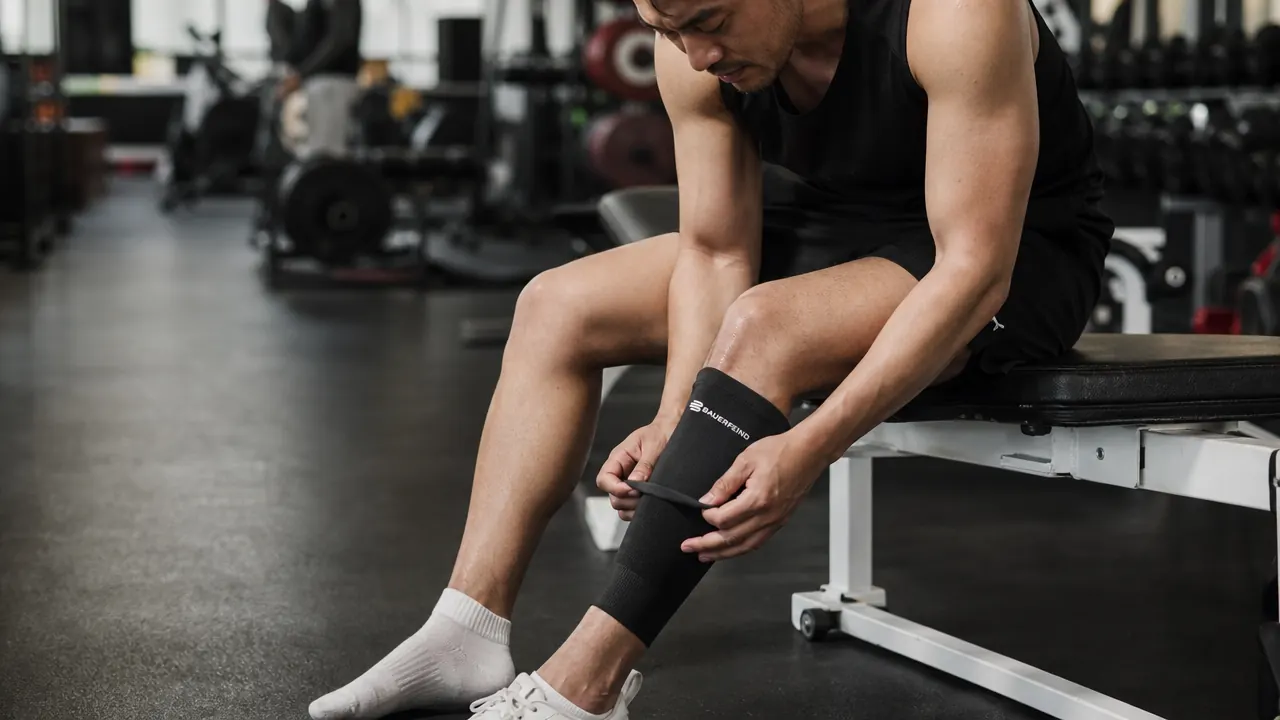
The BLITZU sleeve costs roughly $13. CEP's Run Compression Calf Sleeves cost $50-$55. The 2XU Compression Calf Guard runs $45-$55. At that price delta, the question is not whether the premium options are better. They are. The question is whether they are 4x better for your specific use case.
If you run 30-40 miles per week, train in moderate temperatures, and are primarily trying to reduce next-morning DOMS and manage mild shin splint symptoms, the BLITZU at $13 delivers most of the functional benefit of the premium options. You will replace it every five or six months, but your total annual spend is still less than one pair of CEP sleeves. For that use profile, BLITZU is the sensible choice.
If you run 60 or more miles per week, train in heat and humidity, compete in events where every marginal detail matters, or have a clinician-diagnosed venous condition that warrants compression, the $13 savings are not worth it. CEP and 2XU use certified graduated compression construction, better moisture transport fabrics, and grade their sizing by both circumference and length. Those details matter at high training volume. See the comparison article for a full breakdown.
Who This Is For
The BLITZU calf sleeve is the right buy for recreational runners logging 20-50 miles per week who want a cheap, functional compression option for shin splint management and post-run recovery, who are willing to order a size up from the chart, and who wash their gear carefully. It also works well as a backup sleeve to rotate with a premium pair, extending the life of both through lower per-garment wash frequency. At $13, the entry cost is low enough that imperfect sizing or fabric degradation is a minor inconvenience rather than a real financial loss.
Who Should Skip It
Skip the BLITZU if you have a clinician-specified compression requirement in the 20-30 mmHg therapeutic range, if you run at high volume (60-plus miles per week) in warm climates, if you have a long tibia relative to your height, or if you expect a $13 sleeve to address an acute injury. These are not criticisms that make the BLITZU a bad product. They are honest limitations that define the envelope it performs inside. Know your use case, and this is either the obvious buy or the obvious pass.
Ready to order? Size up from the chart, wash in a mesh bag, and you will get solid mileage out of this sleeve.
At the current price, ordering the BLITZU calf sleeve is a low-risk trial. If it fits and performs for your training load, you have an effective recovery tool for the cost of a post-run coffee. Check what size is in stock before your next long run.
Amazon Check Today's Price on Amazon →