
BOB AND BRAD Q2 Mini Review: 6 Months of Daily Use by a 5-Day-a-Week Lifter
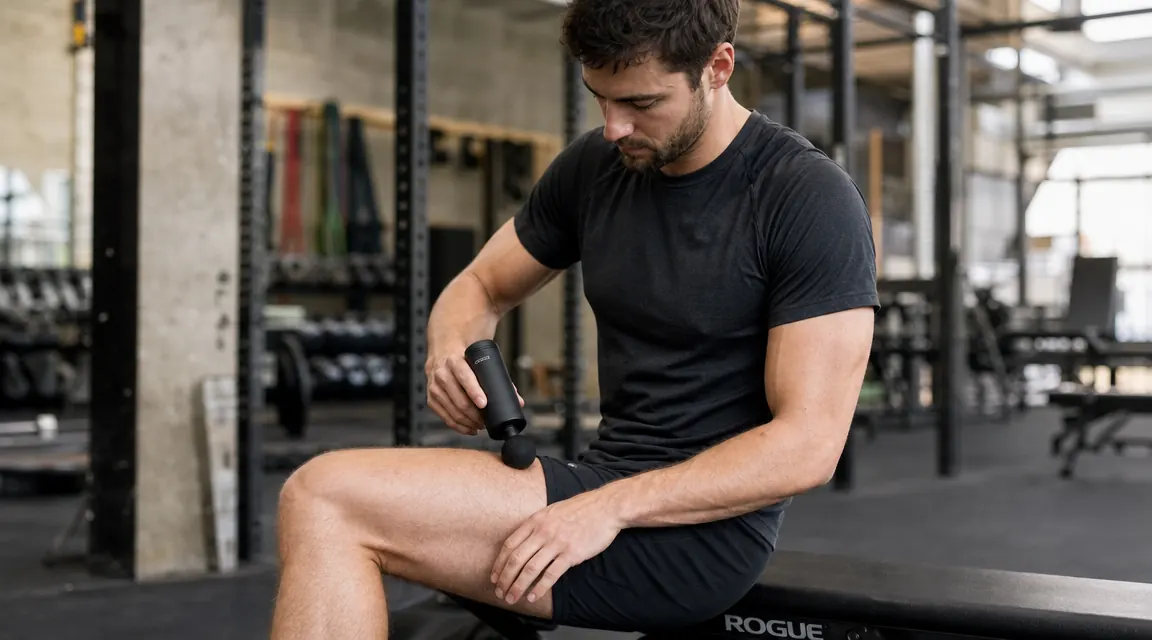
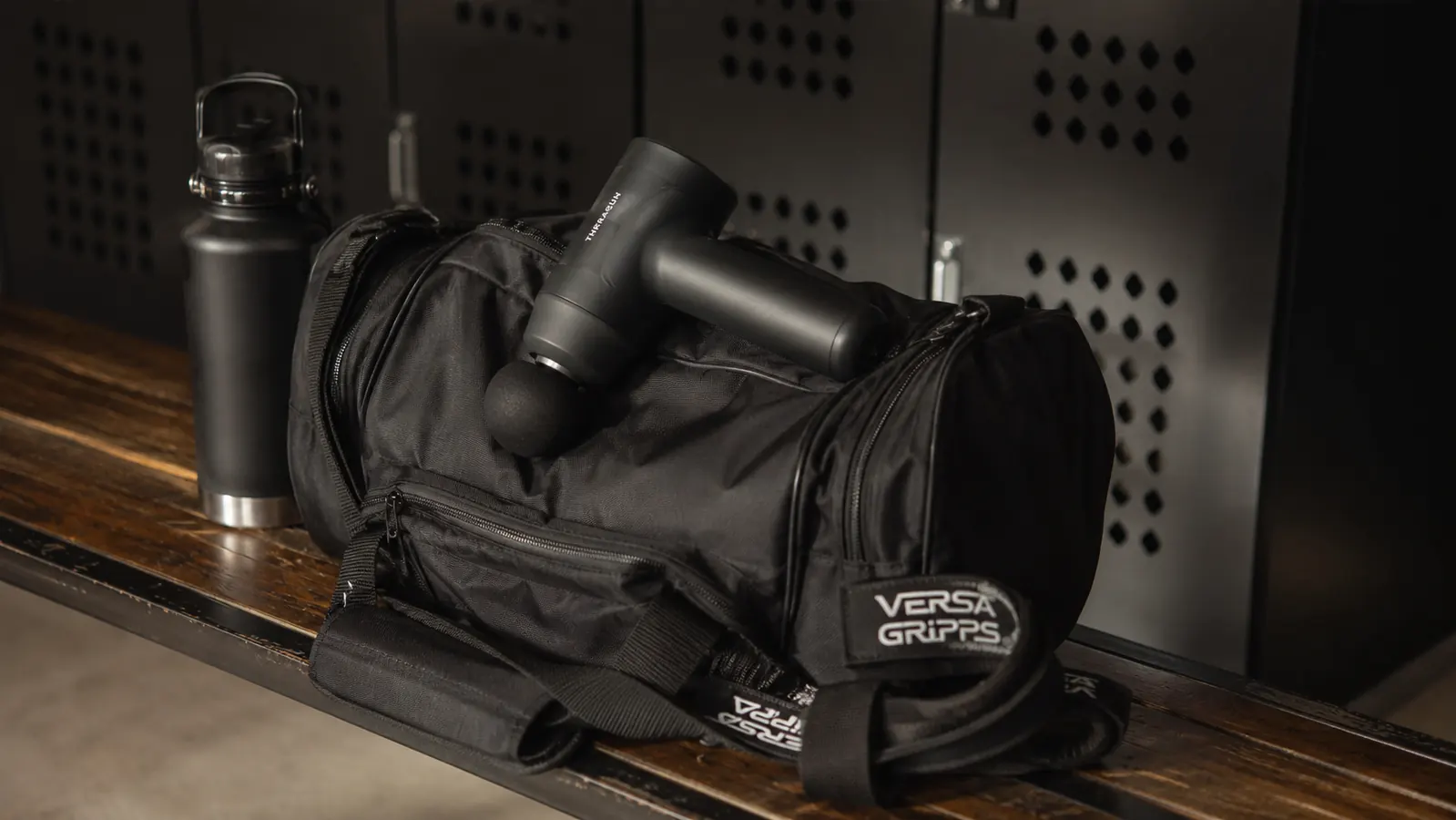
Six months into daily post-workout use, here is what held up, what I adjusted, and whether a pocket massager actually changes recovery for someone training five days a week.
I spent three years foam rolling and stretching my way through post-leg-day soreness. This small device changed what recovery actually feels like.
Six months into daily post-workout use, here is what held up, what I adjusted, and whether a pocket massager actually changes recovery for someone training five days a week.
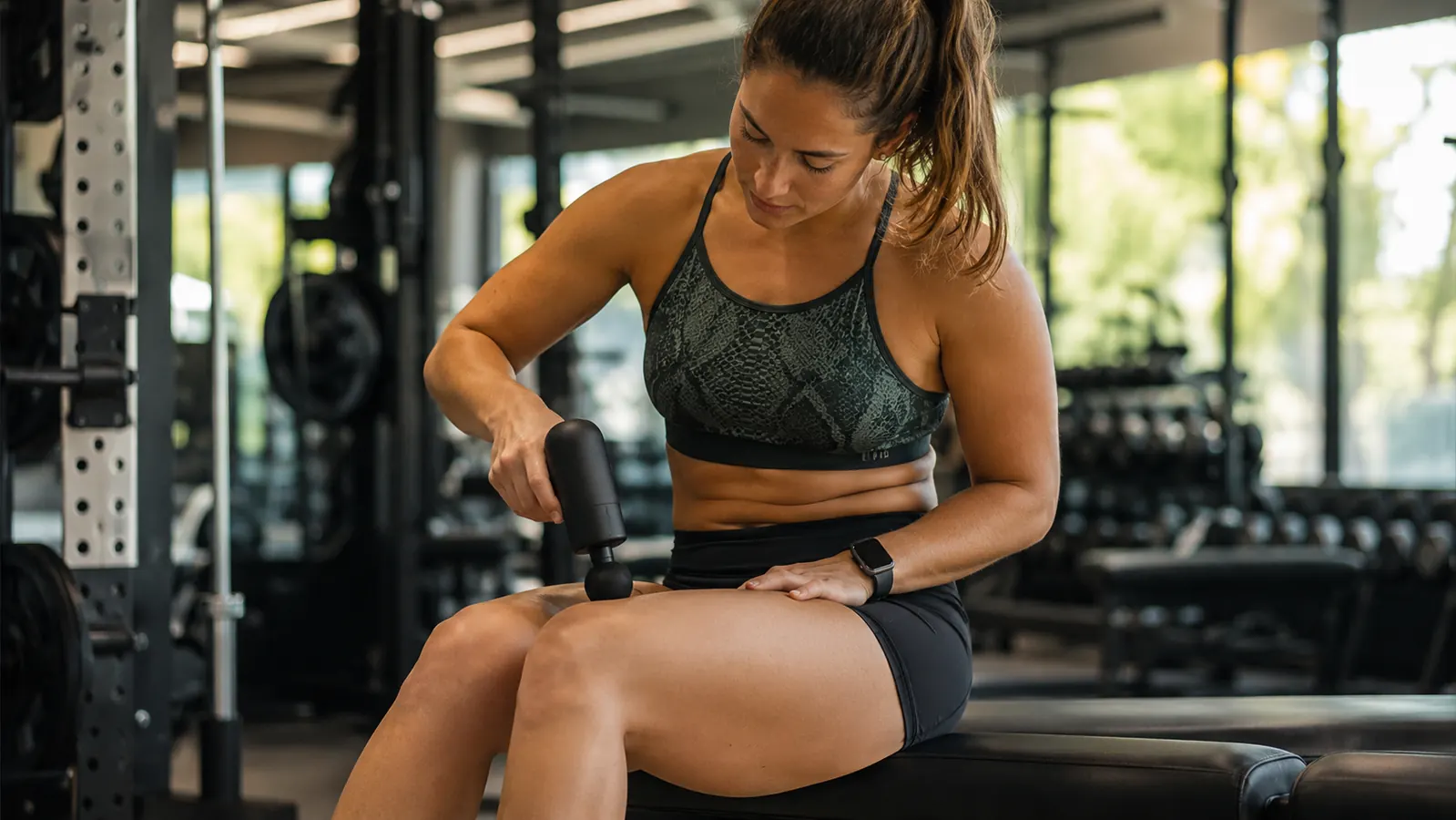
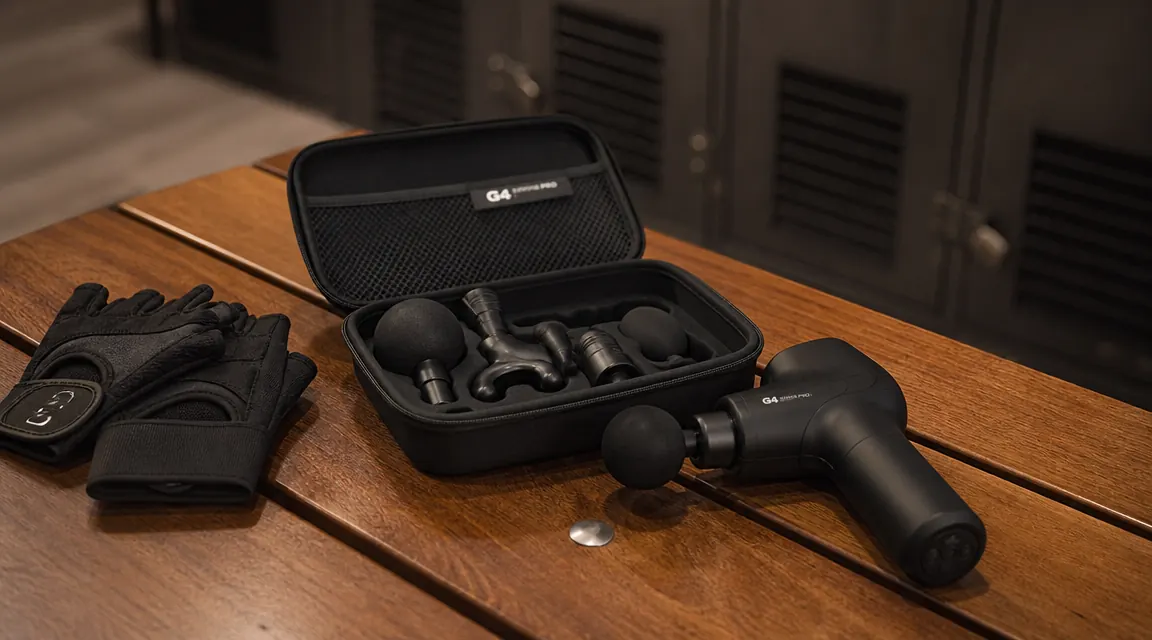
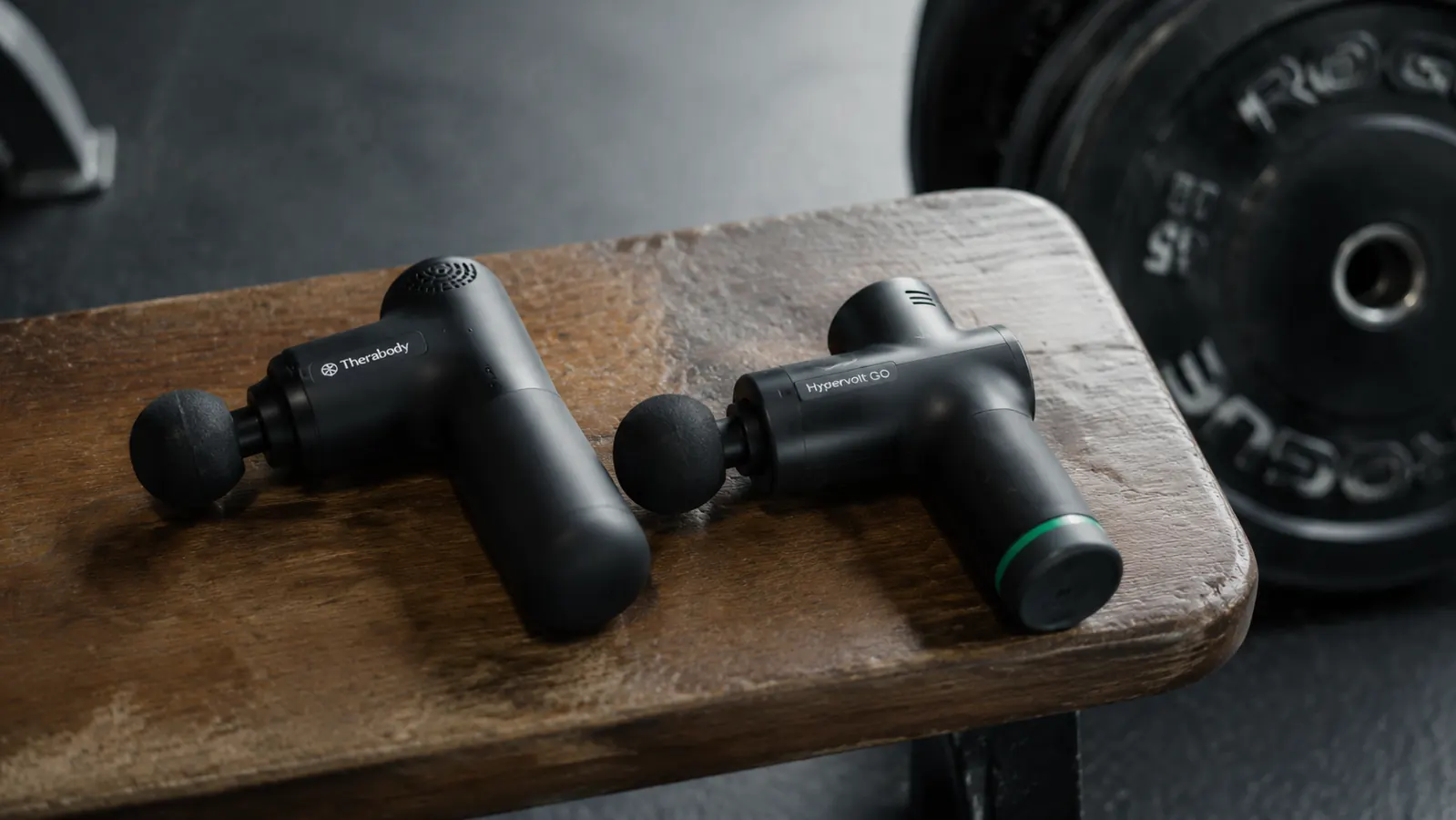
Two compact percussion massagers at very different price points. One has more amplitude and better battery life. The other carries a brand name. Here is what the hardware comparison actually looks like.
Foam rolling is fine. Percussion therapy is better. Here is the evidence-backed case for why most athletes who train more than three days a week should make the switch.
I spent three years foam rolling and stretching my way through post-leg-day soreness. This small device changed what recovery actually feels like.
Most people grind the head into a knot and call it done. Here is the actual sports-medicine protocol: which attachment, how long per muscle, when to prime versus when to flush, and the three technique errors that make soreness worse.
The Q2 Mini has 15,000 reviews and a 4.7-star average. Here is what that number glosses over, what first-time buyers wish they had known, and whether it actually deserves to be in your gym bag.
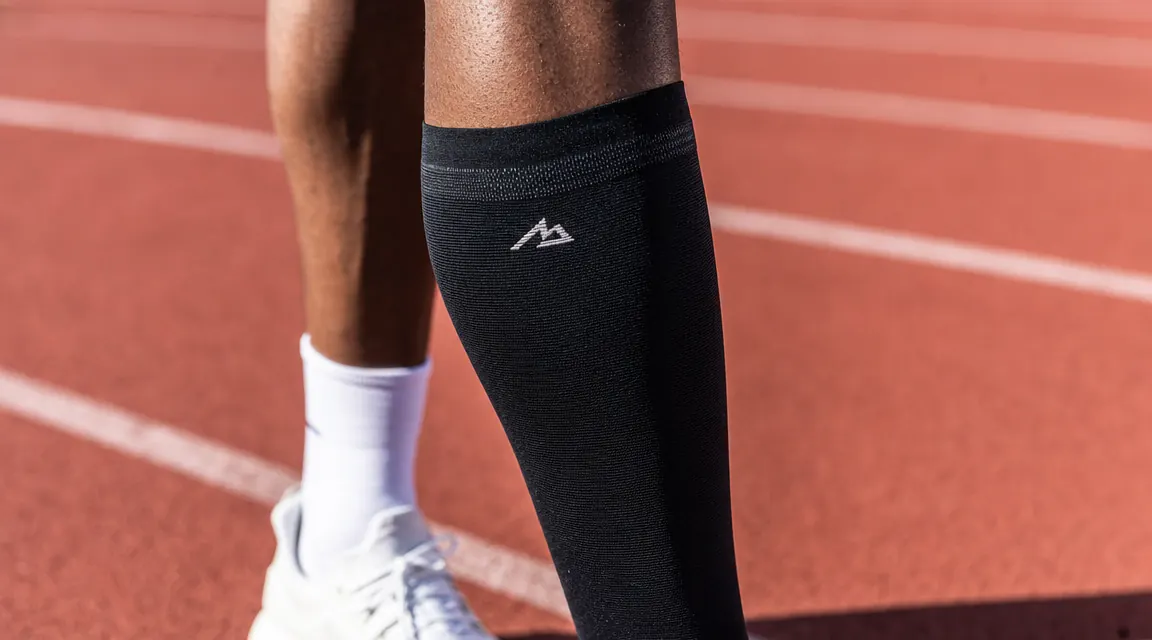
I logged 400-plus miles in a pair of BLITZU calf sleeves during a 16-week half-marathon build. Here is what changed, what held up, and what I'd warn you about before you order.
Both apply graduated pressure to the lower leg. One is cheaper, more targeted, and easier to layer with your existing gear. Here is why most runners and lifters land on the sleeve.
From venous return to shin splint management, here is what the research and 24,000 runner reviews actually say about calf compression.
A first-person account of using the BLITZU calf compression sleeve to manage medial tibial stress syndrome through a 12-week running block without pulling the plug on a single scheduled session.
The sleeve is only working if you wear it right. Here is the timing, fit check, and duration protocol that actually moves the needle on DOMS and shin splints.
The 4.5-star average looks solid. But between the sizing chart that runs small, the fabric that pills after heavy washing, and the mmHg range that's never actually measured, there are details worth knowing before you order.
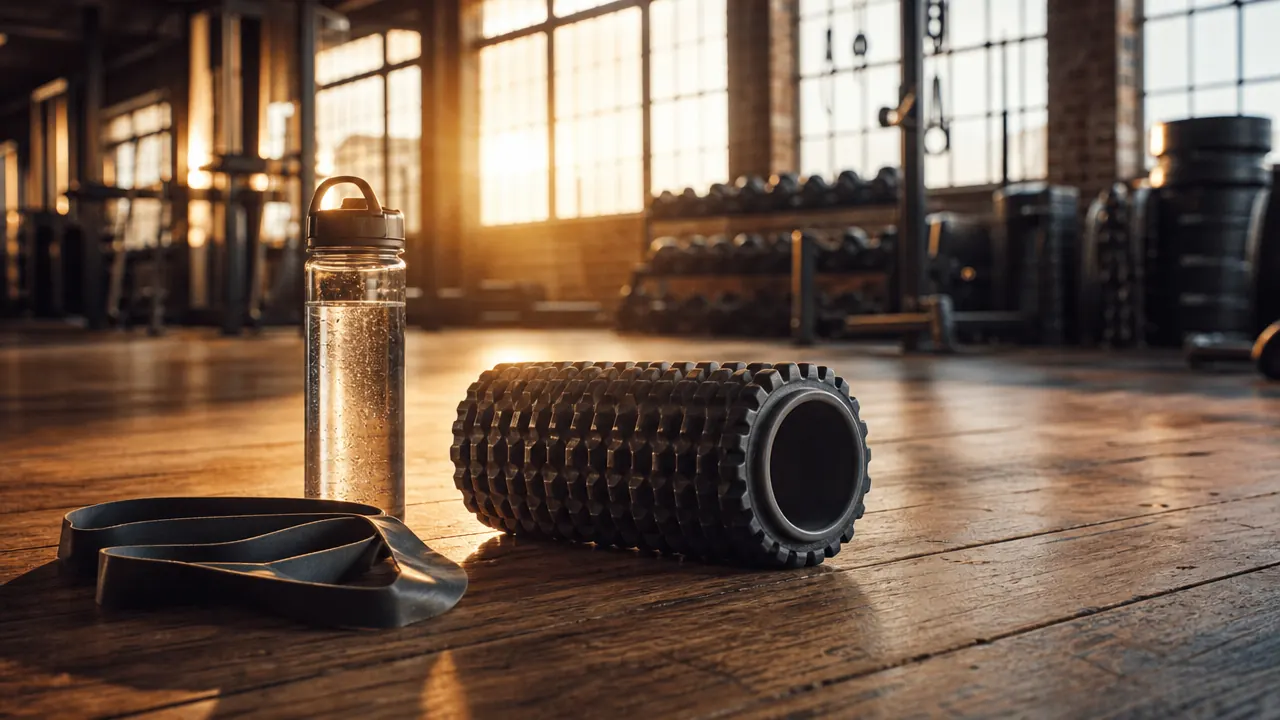
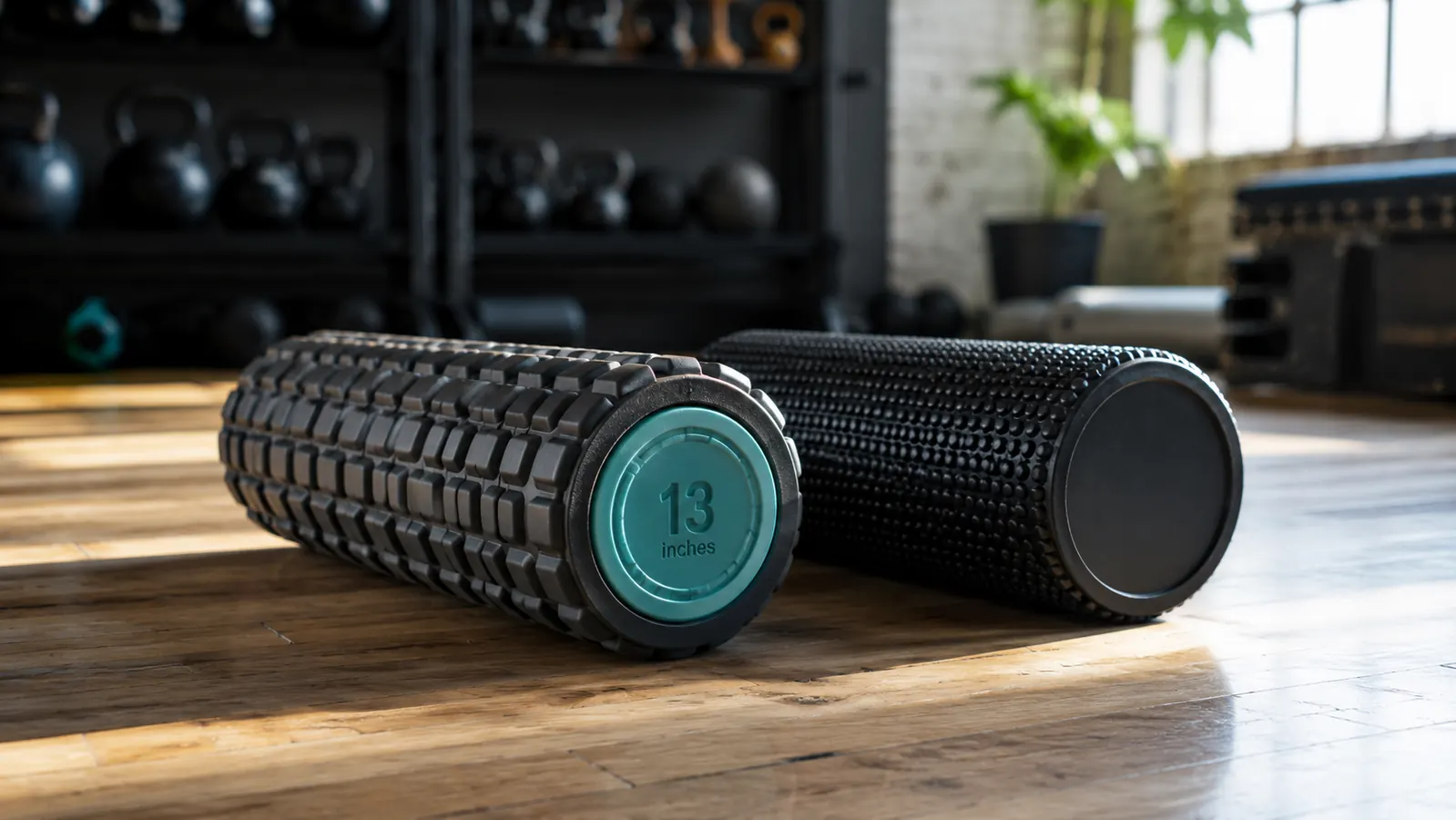
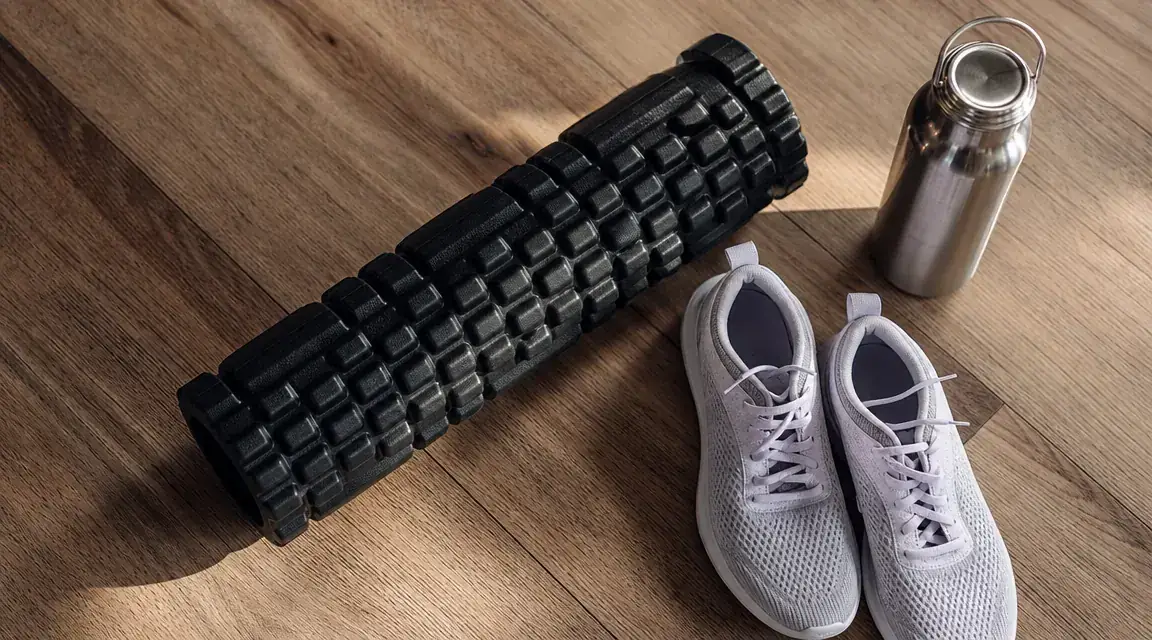
After two years of rolling every morning before training and every evening after heavy lower-body sessions, I have a very clear picture of what the TriggerPoint GRID does well, where it falls short, and who it's genuinely worth the extra money for.
One has 31,000 reviews and a track record in physical therapy clinics. The other has aggressive knobs that promise a deeper release. Here is what actually happens when you put both under your quads.
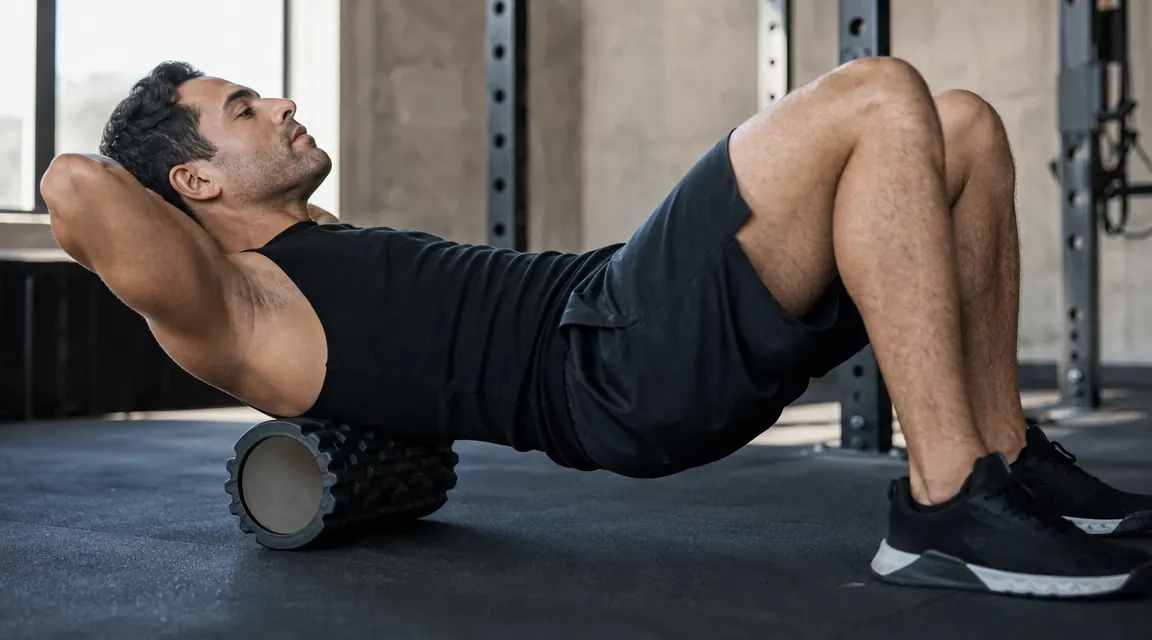
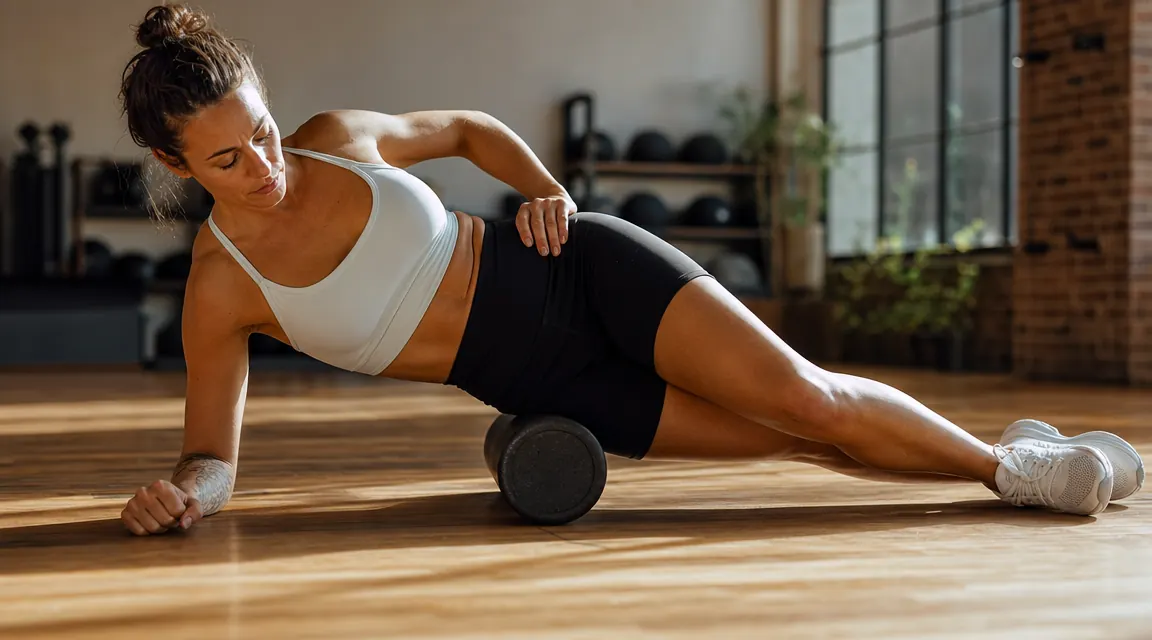
Myofascial release, blood flow, neural reset — here are 10 evidence-backed reasons ten minutes on a foam roller is worth building into every training week.
A first-person account of adding the TriggerPoint GRID to a five-day training week and what changed over eight weeks in soreness, mobility, and back-to-back performance.
Five targeted positions, exact hold times, and the technique mistakes that turn a useful tool into a wasted ten minutes.
A sports-medicine-aware breakdown of the GRID's real density, the muscle groups it's too aggressive for, and whether the price math holds up against cheaper alternatives.
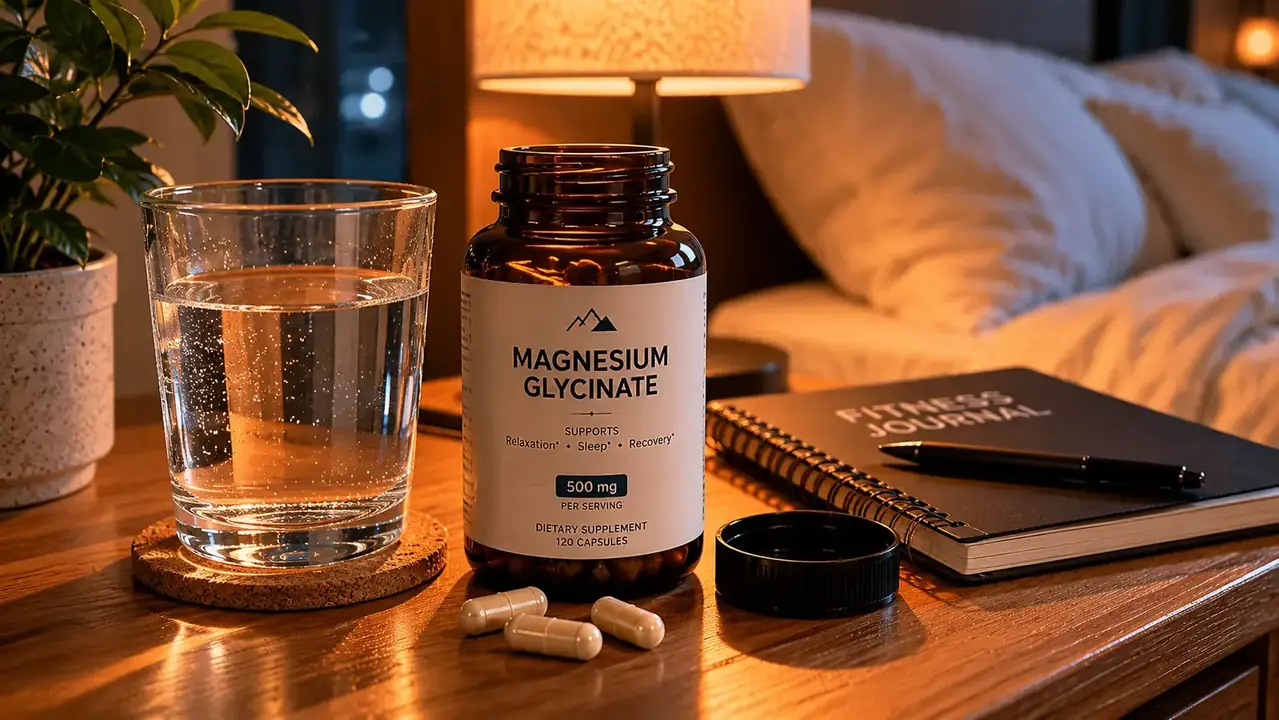
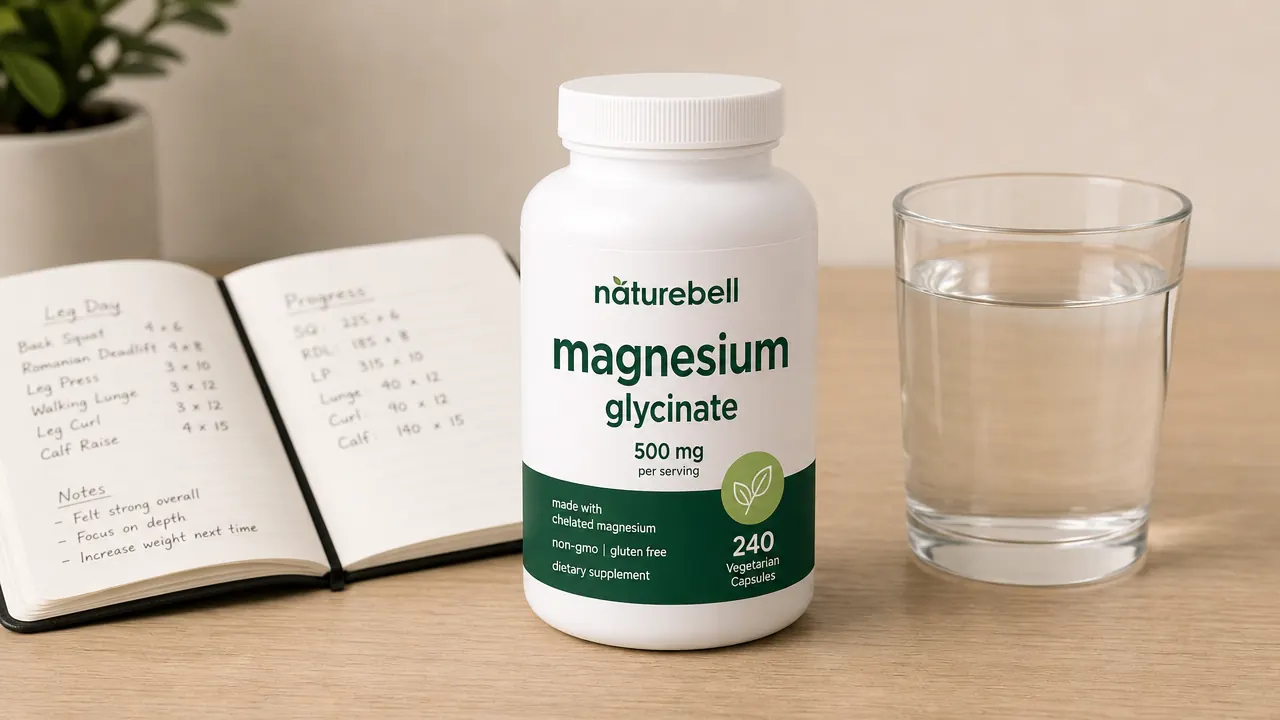
An athlete who tracked sleep latency, muscle cramps, and subjective recovery across a 90-day strength phase gives the honest verdict on whether NatureBell's chelated magnesium glycinate is worth adding to your stack.
Both forms fix a deficiency. Only one does it without keeping you near a bathroom.
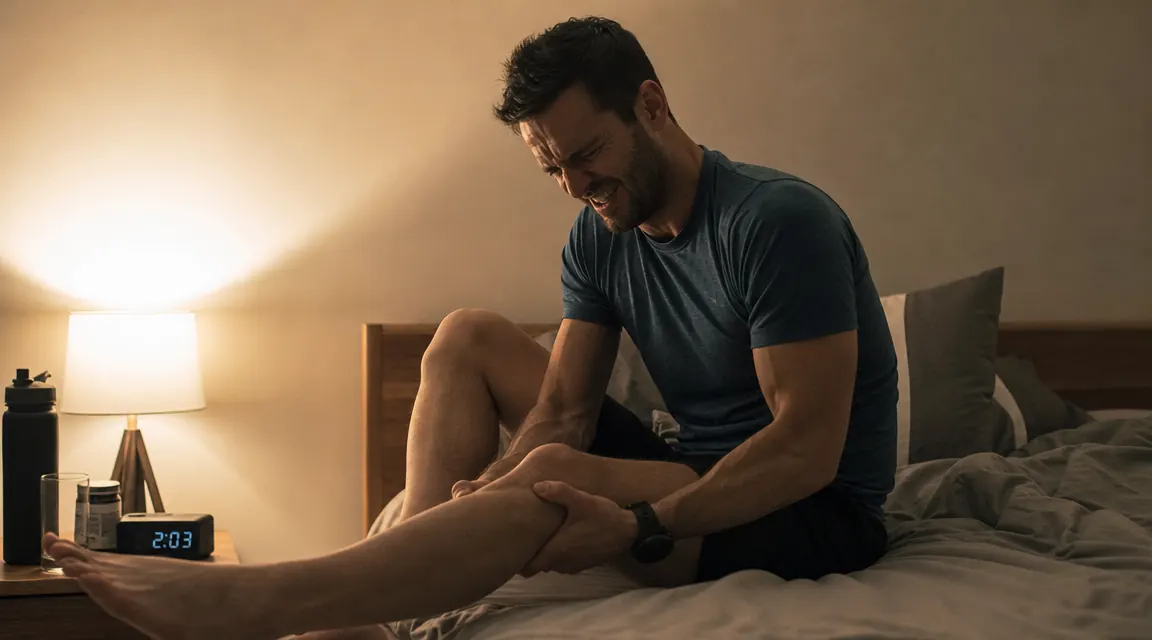
From shorter sleep latency to fewer 3 a.m. calf cramps, the evidence for magnesium glycinate is quieter than the supplement industry would have you believe — and more solid.
Six weeks, one supplement, and finally a full night's sleep after a long run. Here's what actually changed.
A sports-medicine-aware protocol for athletes who want to know exactly how much to take, when to take it, and what actually happens when you get it right.
Before you add this to your recovery stack, there are three things the product page won't tell you about the dose, the fillers, and whether you actually need it.
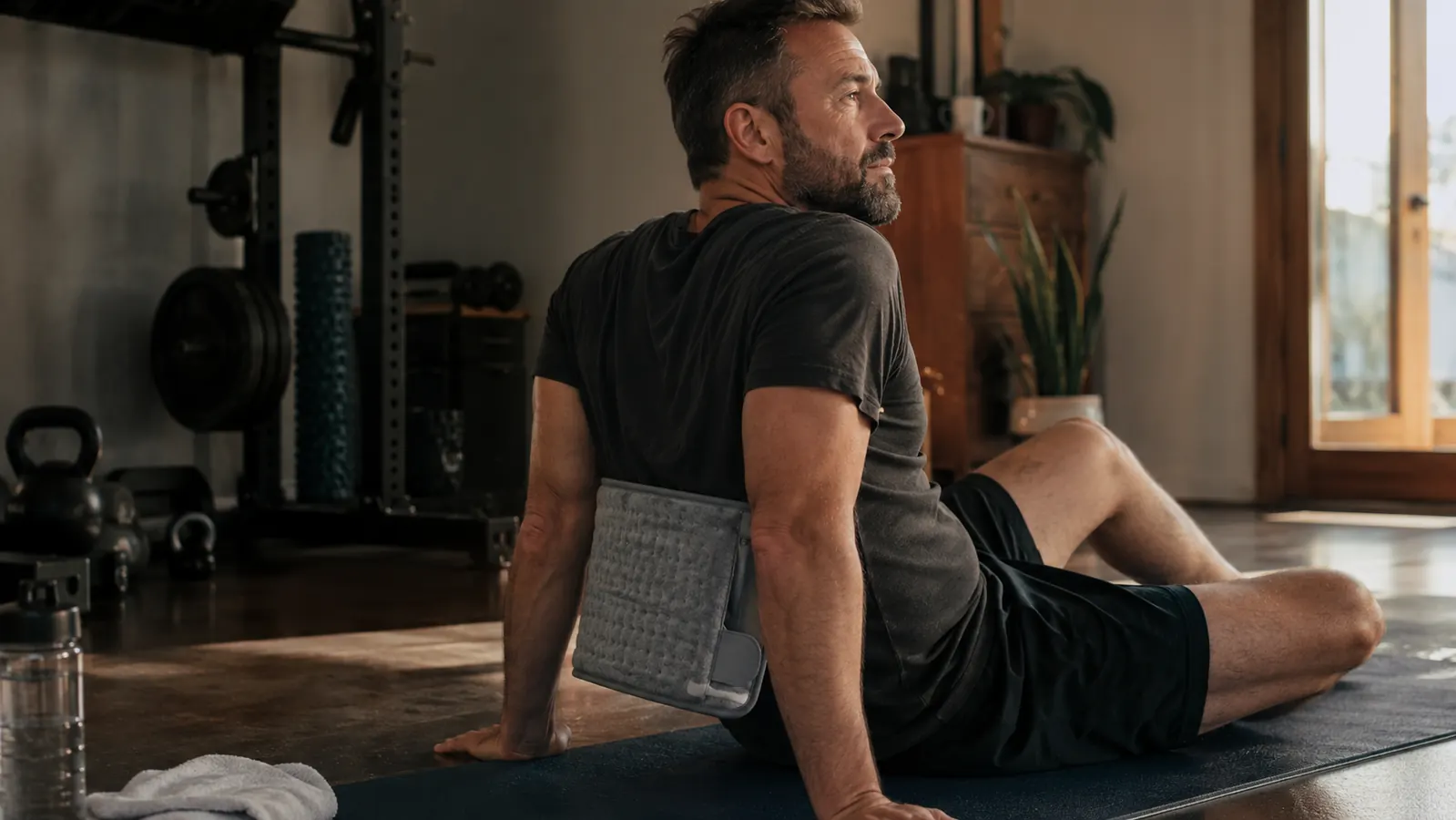
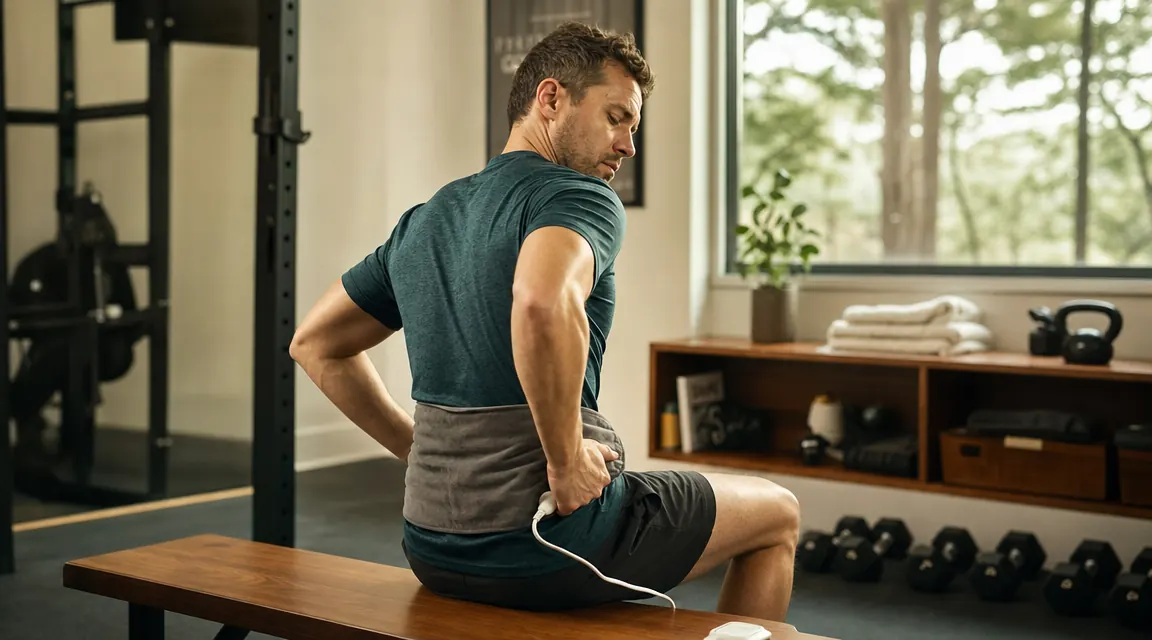
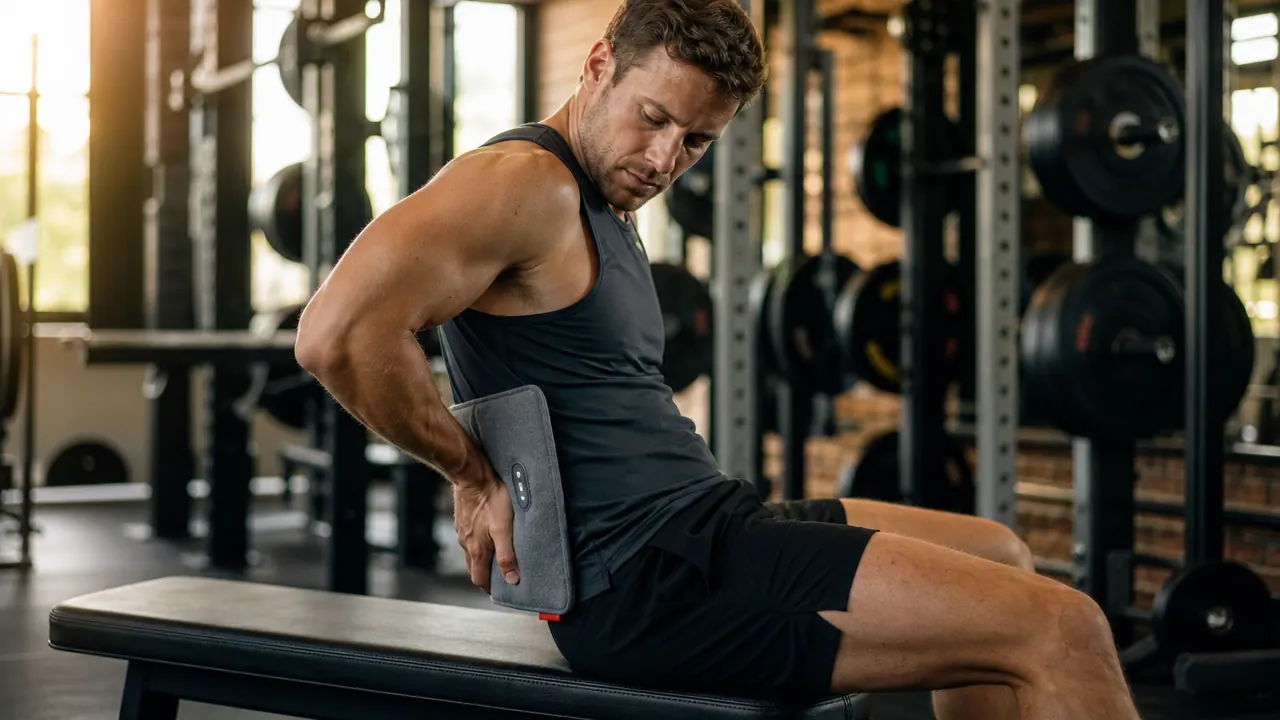
A 40-year-old lifter with chronic lumbar tightness puts the Deepsoon Electric Heating Pad through five months of post-deadlift use. Here is what held up and what did not.
The answer isn't heat OR cold. It's knowing which one to reach for and why. Here's the protocol, and the one tool that handles the most common recovery scenario best.
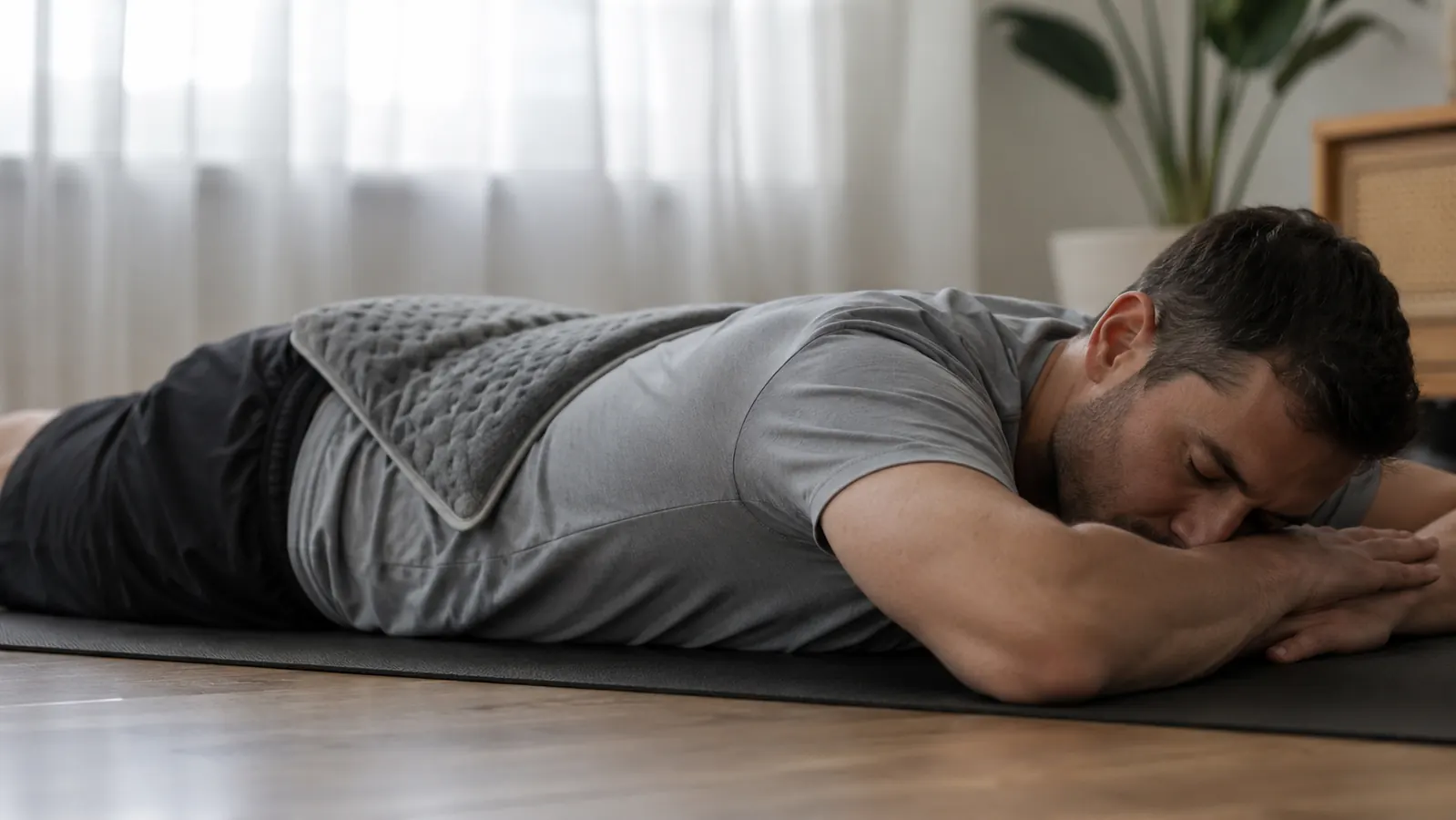
Sports-medicine research consistently favors moist heat for post-workout soreness. Here is why, and how the Deepsoon pad delivers it without a trip to the clinic.
Six weeks of one small habit change and my lumbar stopped locking up after heavy pulling days.
Most lifters either skip heat therapy entirely or use it wrong. Here is the sports-medicine-backed protocol that actually works.
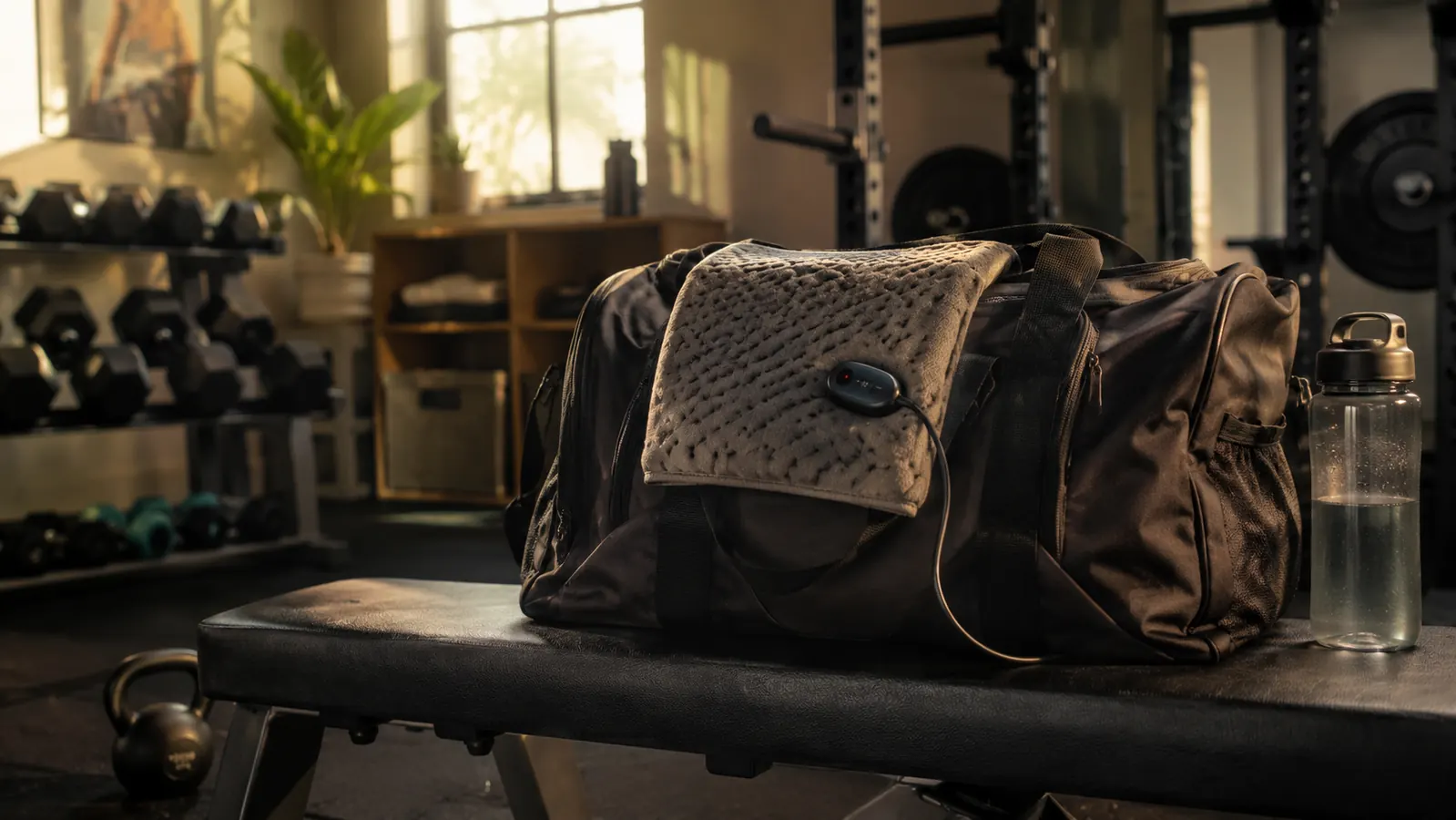
Twenty-three thousand reviews and a 4.4-star average tell you it works. They don't tell you the auto-shutoff fires at 90 minutes whether you want it to or not, the cord is exactly 5.5 feet long, or that the moist-heat sponge insert does something very different than the marketing suggests.
Six months into daily post-workout use, here is what held up, what I adjusted, and whether a pocket massager actually changes recovery for someone training five days a week.
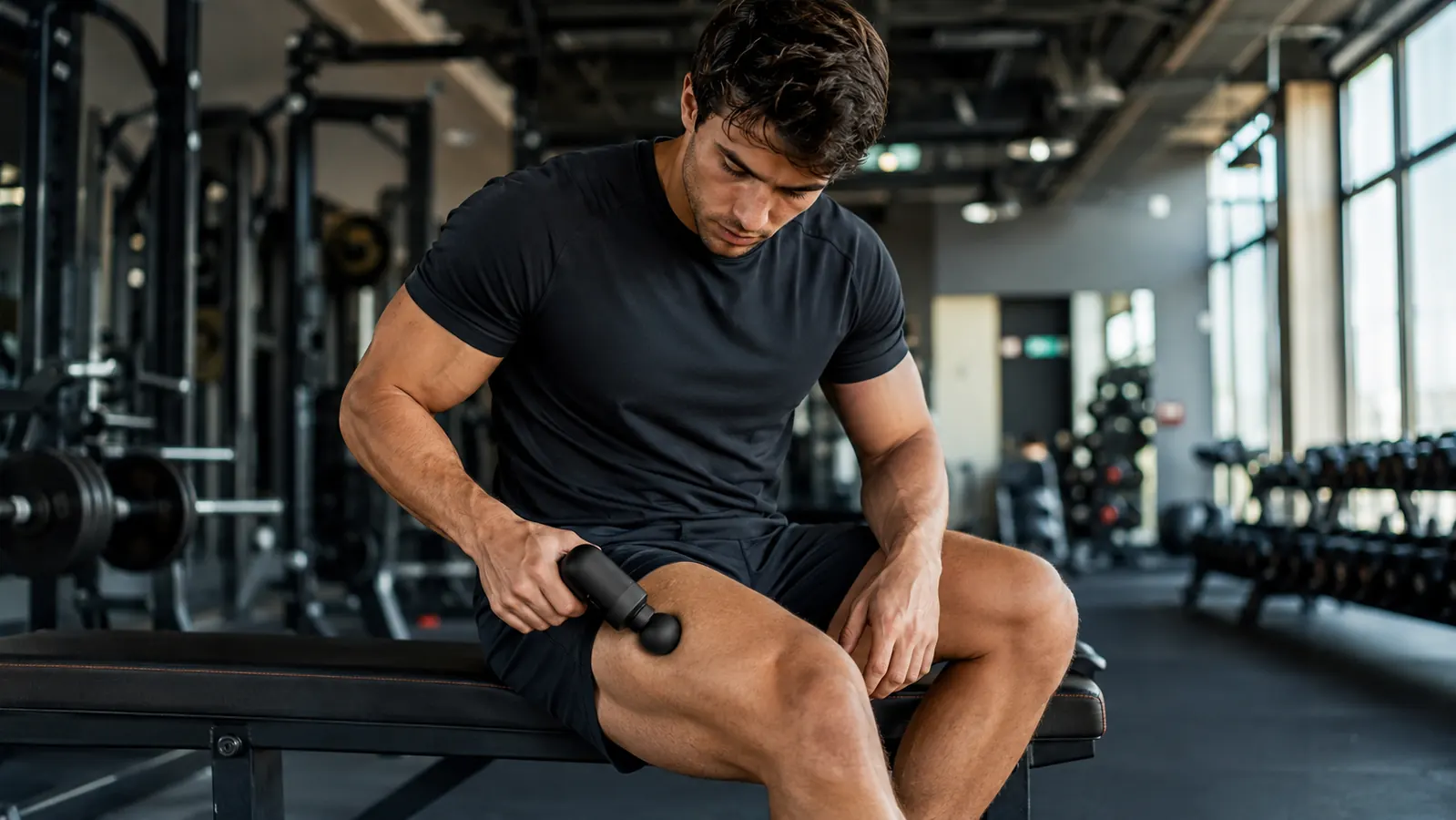
The Q2 Mini has 15,000 reviews and a 4.7-star average. Here is what that number glosses over, what first-time buyers wish they had known, and whether it actually deserves to be in your gym bag.
I logged 400-plus miles in a pair of BLITZU calf sleeves during a 16-week half-marathon build. Here is what changed, what held up, and what I'd warn you about before you order.
The 4.5-star average looks solid. But between the sizing chart that runs small, the fabric that pills after heavy washing, and the mmHg range that's never actually measured, there are details worth knowing before you order.
After two years of rolling every morning before training and every evening after heavy lower-body sessions, I have a very clear picture of what the TriggerPoint GRID does well, where it falls short, and who it's genuinely worth the extra money for.
A sports-medicine-aware breakdown of the GRID's real density, the muscle groups it's too aggressive for, and whether the price math holds up against cheaper alternatives.
An athlete who tracked sleep latency, muscle cramps, and subjective recovery across a 90-day strength phase gives the honest verdict on whether NatureBell's chelated magnesium glycinate is worth adding to your stack.
Before you add this to your recovery stack, there are three things the product page won't tell you about the dose, the fillers, and whether you actually need it.
A 40-year-old lifter with chronic lumbar tightness puts the Deepsoon Electric Heating Pad through five months of post-deadlift use. Here is what held up and what did not.
Twenty-three thousand reviews and a 4.4-star average tell you it works. They don't tell you the auto-shutoff fires at 90 minutes whether you want it to or not, the cord is exactly 5.5 feet long, or that the moist-heat sponge insert does something very different than the marketing suggests.