

This is the story of how a $20 bottle of NatureBell magnesium glycinate finally ended a two-year cycle of nighttime calf cramps that no electrolyte drink, banana, or stretching routine had touched. For about two years, every Sunday night after my long run I'd lie down, start to drift off, and then feel it: that deep, involuntary clench in my left calf that would yank me awake like a circuit breaker tripping. I'd hobble to the floor, press my heel down, wait for the spasm to release, and then spend the next 20 minutes too wired to go back to sleep. Rinse. Repeat. Some weeks it happened three times in one night.
I tried everything the running forums recommend. I stretched before bed. I bought a mid-range foam roller and worked my calves for 10 minutes every night. I doubled my banana intake. I drank pickle juice once, which I am not proud of. I even booked a session with a sports physio who told me my calf flexibility was fine and my hydration looked normal. Nothing moved the needle. The cramps just kept coming, like clockwork, whenever my mileage crossed 10 miles in a single session.
What I didn't know at the time was that endurance training burns through magnesium fast. You lose it in sweat, you burn it during muscle contraction, and high-mileage athletes often run a chronic deficit even when they think they're eating well. Stretching and bananas address surface-level symptoms. They don't fill a micronutrient gap that's been compounding for months.
Stretching addresses the symptom. Magnesium addresses the reason the muscle fires when it shouldn't.
A colleague who works as a sports dietitian made a passing comment during a group run: 'Most recreational endurance athletes are marginally magnesium-deficient. It doesn't show on standard blood panels until it's severe.' She mentioned glycinate specifically. Not oxide, not citrate, not the generic 'magnesium' in a multi. Glycinate is chelated to glycine, which means it absorbs well, doesn't irritate the GI tract at meaningful doses, and crosses into the muscle and nervous system tissue more reliably than cheaper forms.
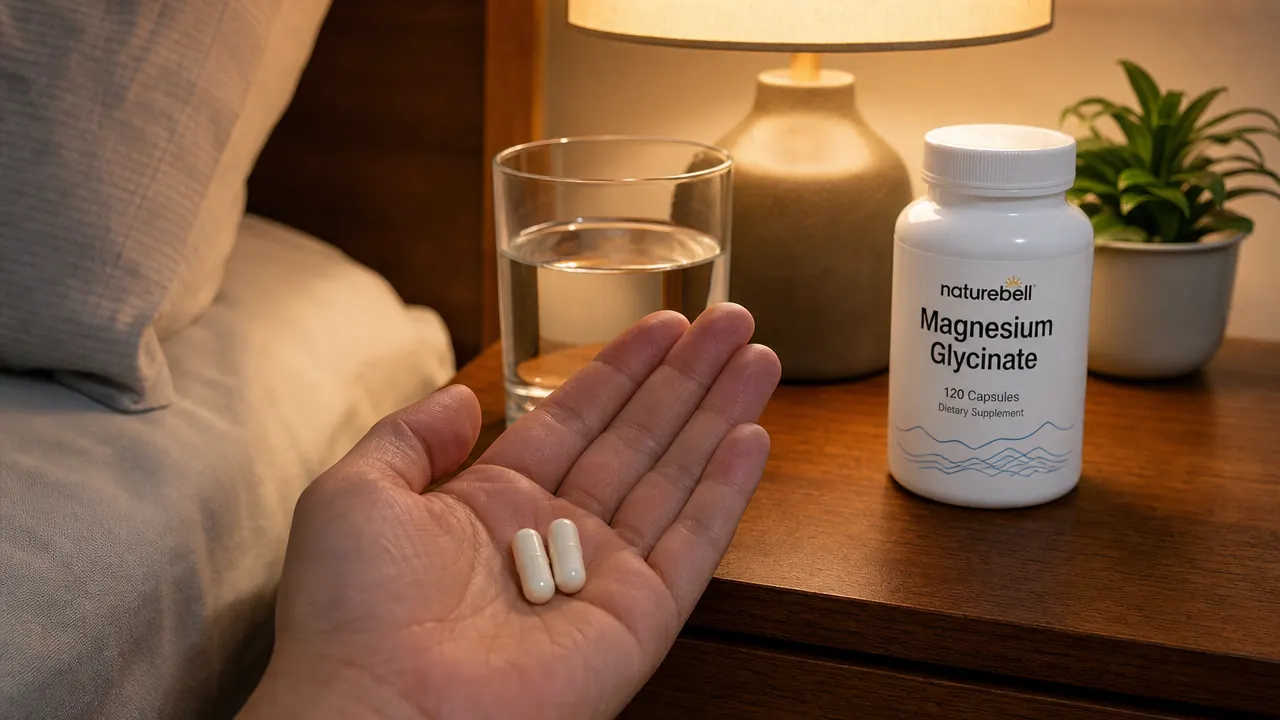
I ordered NatureBell Magnesium Glycinate 500mg that week. The bottle has 240 veggie capsules, which works out to 120 days at two capsules before bed. The label is clear: 500mg of magnesium glycinate per serving, 100% chelated, no proprietary blend to hide underdosed ingredients. I appreciated that immediately. I took two capsules with a glass of water about 30 minutes before I planned to sleep.
If nighttime cramps are derailing your sleep after training, the fix costs less than a single physio visit.
NatureBell Magnesium Glycinate 500mg, 240 capsules. 4.7 stars across 18,000+ reviews. Check the current price below.
Amazon Check Today's Price on Amazon →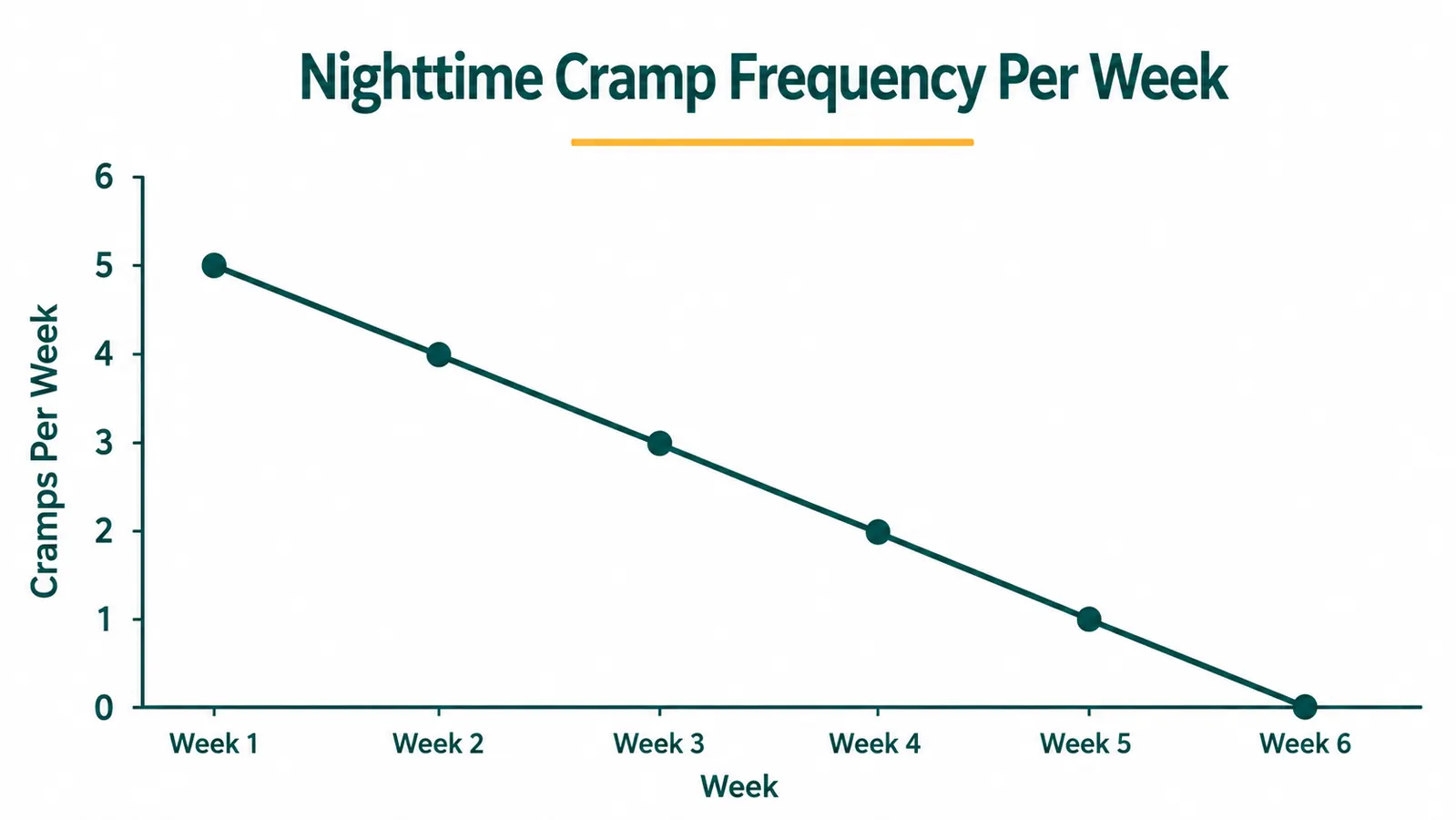
Week two was when I noticed the first real change. I ran 11 miles on Saturday. Sunday night came and went without a cramp. I thought it might be coincidence. I ran 12 miles the following Saturday. Still nothing. I started sleeping through the night for the first time in months, which sounds modest, but if you've been woken up by a cramp three or four times a week you know how much that compounds into general fatigue. My next-day runs felt measurably easier. Not because the magnesium is some stimulant, but because I was finally recovering the sleep I'd been losing.
By week six I could run 14 miles, do a full lifting session two days later, and sleep straight through to my alarm. The soreness after long runs didn't disappear, but it shifted from that thick, concrete-in-the-muscles feeling to something lighter, a normal tiredness that eased by the next morning. I wasn't expecting that secondary benefit. The glycine component of magnesium glycinate has some calming effect on the nervous system, which I think contributed to falling asleep faster on hard training days.
I want to be fair about what it doesn't do. It didn't make my legs feel fresh on Monday after a 14-mile Sunday. It didn't replace quality sleep or smart training load management. One week when I was underslept and running on stress, I felt muscle fatigue in my calves even with the supplement. Magnesium glycinate fills a real gap; it doesn't override the fundamentals. And it takes at least two weeks to work. If you try it for three days and quit, you haven't given your tissues time to replenish depleted stores. That's the most common mistake I see.
What I'd Tell You If We Were Sitting at My Kitchen Table

Here's my honest take. If you're training five days a week, running any meaningful distance, and waking up with calf or foot cramps, there is a very good chance you're magnesium deficient. Not in a clinical way that shows on a blood test, but in a functional way that your muscles are noticing. The cost of NatureBell Magnesium Glycinate is low enough that it's worth finding out. One bottle lasts four months at two capsules a night.
I wouldn't bother with oxide or the cheap multi-mineral blends. They absorb poorly and the GI side effects at effective doses are unpleasant. Glycinate is the form that actually gets where it needs to go. I've also tried citrate, which works but gave me loose stools above 300mg, making it a poor choice for anyone taking a real therapeutic dose. NatureBell's chelated glycinate at 500mg before bed is clean, easy to tolerate, and the bottle clearly states what's in it.
Six weeks in, I'm still cramp-free after long runs. My sleep feels different in a way that's hard to quantify but easy to notice. If you've been blaming your stretching routine or your hydration and nothing is changing, give this a serious try. Two capsules, 30 minutes before bed, for at least three weeks before you judge it.
Two capsules before bed. That's the whole protocol.
NatureBell Magnesium Glycinate 500mg, 240 veggie capsules. 4.7 stars, 18,000+ reviews. See the current price on Amazon.
Amazon Check Today's Price on Amazon →