
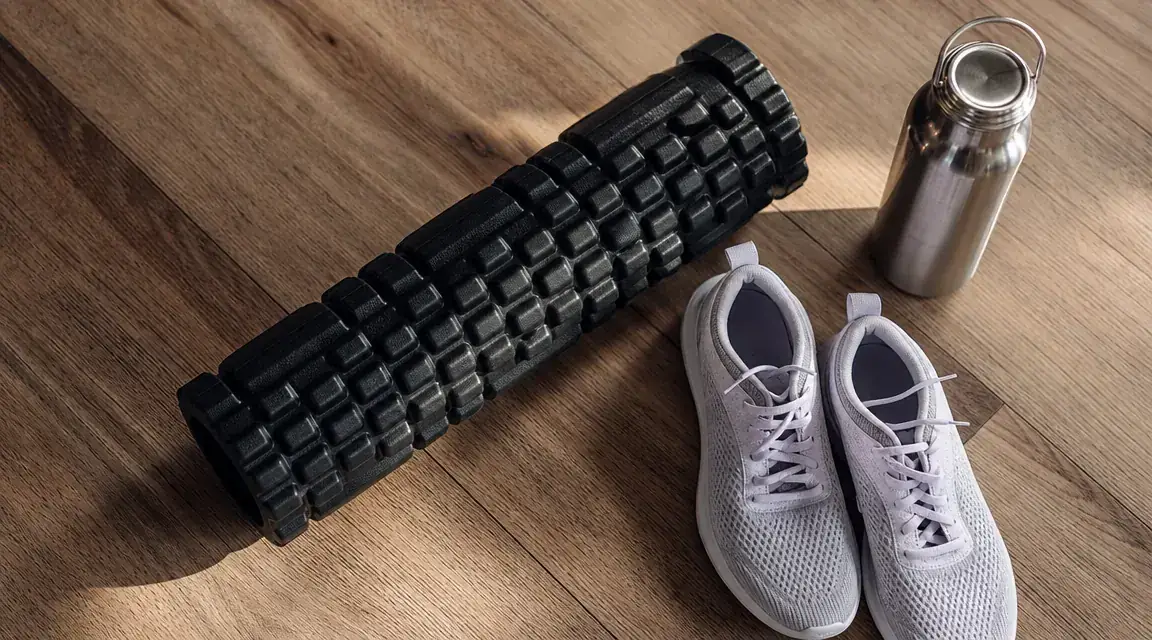
The TriggerPoint GRID has 31,000 Amazon reviews and a 4.7-star average. If you're reading the ratings expecting the usual chorus of 'life-changing, best purchase ever,' you won't be disappointed. But those ratings bury the details that would actually help you decide whether this is the right tool for your body and your specific problem areas. I've used the GRID long enough to have opinions about what it genuinely does better than cheaper options and where it is flat-out wrong for the job.
The short answer: the TriggerPoint GRID earns its price on thoracic spine work, IT band, glutes, and hip flexors. It does not earn it on calves. And the durability math, which almost nobody does, actually makes the $39.99 price tag look reasonable over a three-year horizon. Here is what the summary reviews leave out.
The Quick Verdict
A genuinely superior tool for large-muscle myofascial work, but the density is overkill for the lower leg and the learning curve is steeper than the ratings suggest.
Amazon Check Today's Price →If your thoracic spine and hips are chronically locked up, nothing in this price range does what the GRID does.
Most athletes who grab a cheap foam roller quit using it within 60 days because it doesn't produce enough sensation to feel productive. The GRID keeps you coming back.
Amazon Check Today's Price on Amazon →The Density Question Nobody Answers Honestly
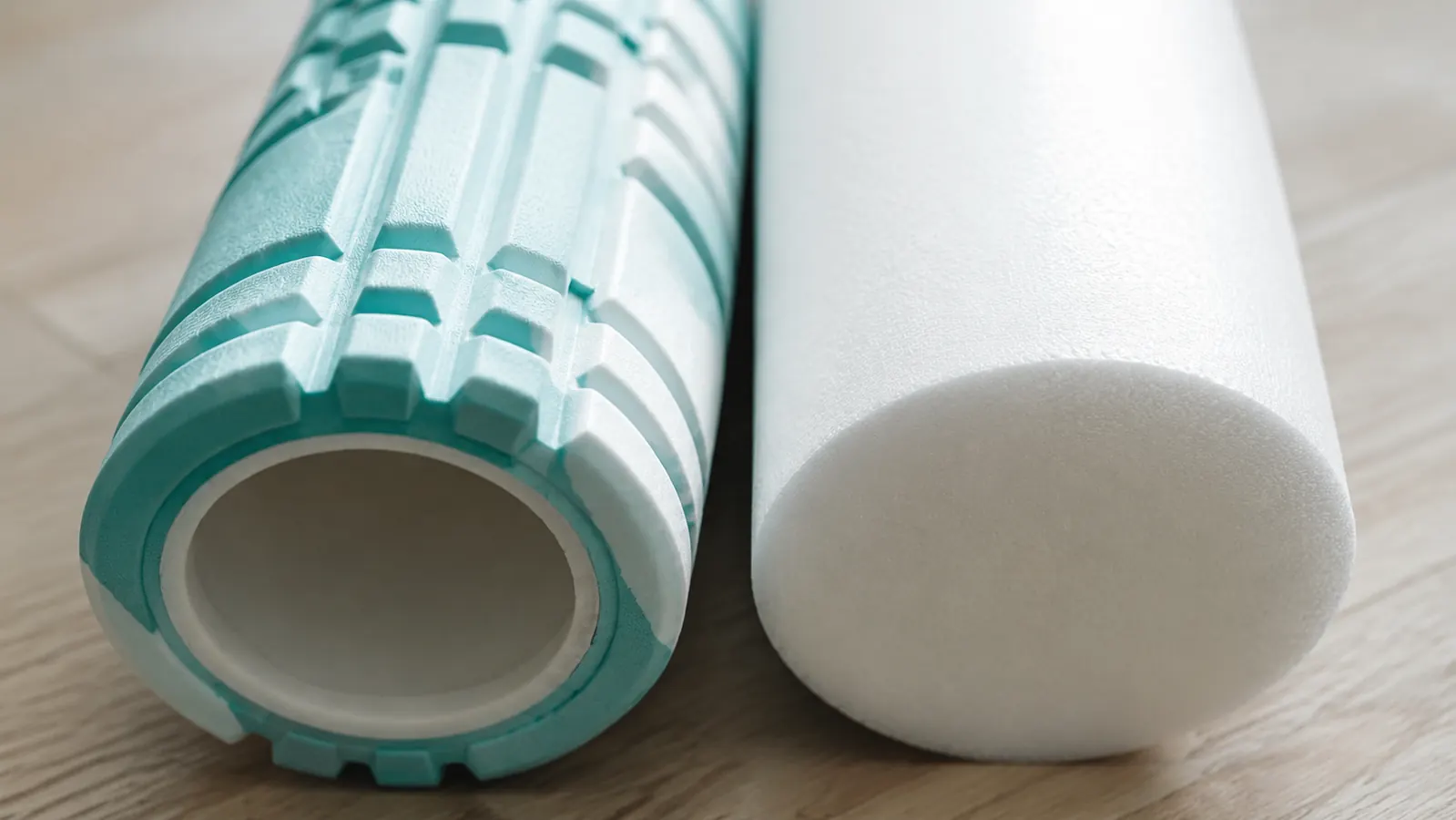
If you've only ever used the standard white EPE foam rollers, the kind that come in gym closets or sell for $12 on Amazon, the GRID is going to feel completely different in a way that's hard to describe in a product listing. Standard foam rollers deform significantly under body weight. They spread the pressure across a large surface area. Rolling over them feels like a soft massage. The GRID, built around a hard hollow-core PVC tube with a multi-density EVA foam exterior, does not deform. It transfers pressure directly.
This is exactly what the GRID is designed for. The three-zone surface (flat, grid, raised knobs) mimics the varying pressure a therapist uses with fingertips, palms, and knuckles. When you drop a glute or IT band onto the GRID and pause on a tight spot, the sensation is immediate and unambiguous. That is the tissue feedback you need for genuine myofascial release, not the vague rolling sensation you get on a soft roller. But the density is also why first-time users sometimes write it off as too painful and why it is genuinely wrong for certain muscle groups.
Why the GRID Is Overkill on Calves (And Most Lower-Leg Work)
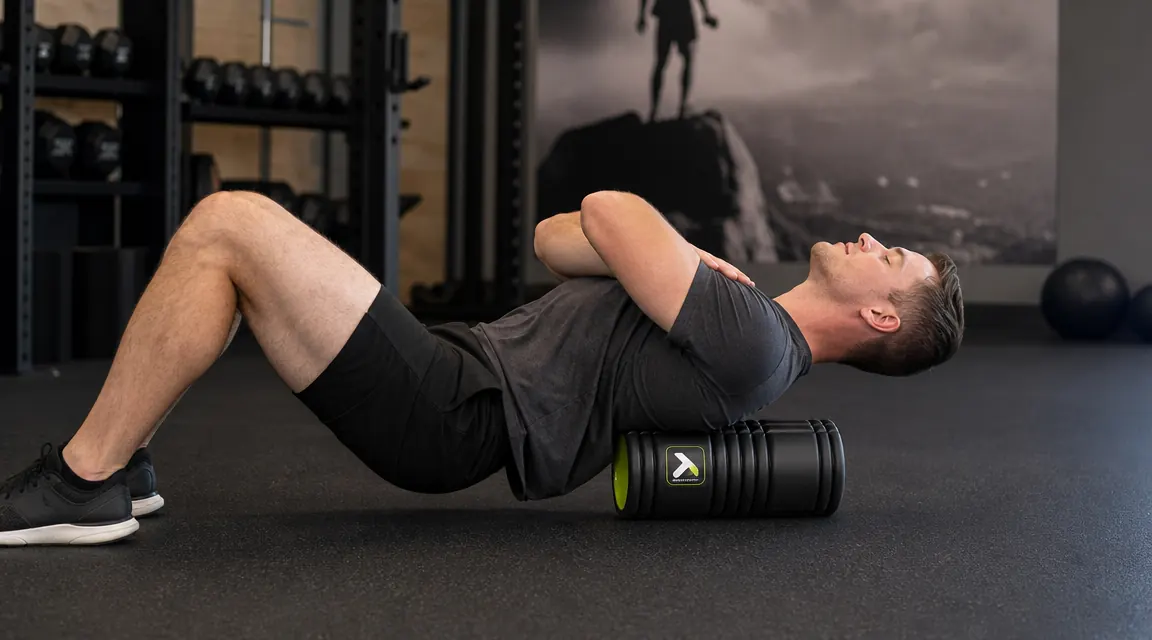
This is the honest part the 31,000 reviews mostly skip. The calf complex, including the gastrocnemius, soleus, and the surrounding peroneal tissue, is a small-diameter, highly nerve-dense area. It responds well to foam rolling, but it does not need the same aggressive point-loading that the IT band or thoracic spine can handle. When you sit your full body weight on the GRID over a tight gastrocnemius, you are applying significant direct compression to a thin muscle belly sitting directly over the tibia.
For most people, a softer roller or even a PVC pipe with a towel wrapped around it would be more appropriate for calves. The GRID's hardness triggers a protective muscular guarding response in the lower leg before the tissue has a chance to release. You feel pain, you tense up, and the fascia never softens. I've watched this happen repeatedly in a gym setting. Runners who swear by their GRID for hip work often admit they've stopped using it on their calves because 'it just hurts too much to be useful.' That is not a technique problem. That is a tool mismatch.
The practical workaround is to use the GRID with reduced load on the calf, propping yourself up on both hands so only a fraction of your body weight sits on the roller. That works, but it also means you're doing active physical work to get the tool to an appropriate pressure level. A $15 softer roller would just be the right tool from the start.
The Real Learning Curve (It's Not What the Instructions Say)
TriggerPoint includes a fold-out instruction card with the GRID that shows basic rolling positions. The card is fine as a starting point, but it skips the part that actually matters: the GRID requires you to find and pause on restricted tissue rather than just rolling back and forth. Rolling is the least effective way to use this tool. The technique that produces results is position, find the dense spot, breathe out, and wait. Typically 30-90 seconds per location. That is a fundamentally different skill than rolling, and nobody comes to it naturally.
The learning curve is roughly three to four weeks of consistent daily use before you develop the body awareness to identify restricted tissue accurately and hold position on it effectively. During those first weeks, the GRID will feel either too aggressive or strangely ineffective depending on the muscle group and how you're loading it. New users who don't know this frequently conclude the product isn't working and either stop using it or post a three-star review. The GRID rewards people who've had at least some exposure to sports massage, physical therapy, or structured mobility work. For someone with zero background, a softer roller is a better entry point.
Rolling back and forth is the least effective way to use the GRID. The technique that actually works is: find the dense spot, breathe out, and wait. Most people never learn this.
What the Grid Pattern Actually Does (And What It Doesn't)
The multi-zone surface is not marketing fiction. It creates a genuine mechanical difference in how pressure distributes across muscle tissue. The channel zones (the recessed grid lines) allow the muscle belly to soften and drop slightly while the raised zones maintain contact on the surrounding fascia. This is a reasonable analog to the way a skilled massage therapist strips a muscle with one hand while stabilizing the surrounding tissue with the other. The effect is most pronounced on broad, flat muscles: the thoracic erectors, the quadriceps, the glutes, and the iliotibial band.
What the grid pattern does not do is replace targeted trigger-point work on small muscles. The piriformis, the psoas, the TFL at its proximal attachment, these require a lacrosse ball or a targeted tool like a cane hook. The GRID's surface is too wide to isolate a 2-centimeter knot in the piriformis no matter how precisely you position yourself. That is not a flaw, it is a category boundary. The GRID is a large-muscle tool. A lacrosse ball is a small-muscle tool. You need both for a complete self-treatment kit.
The Cost Math Over Three Years
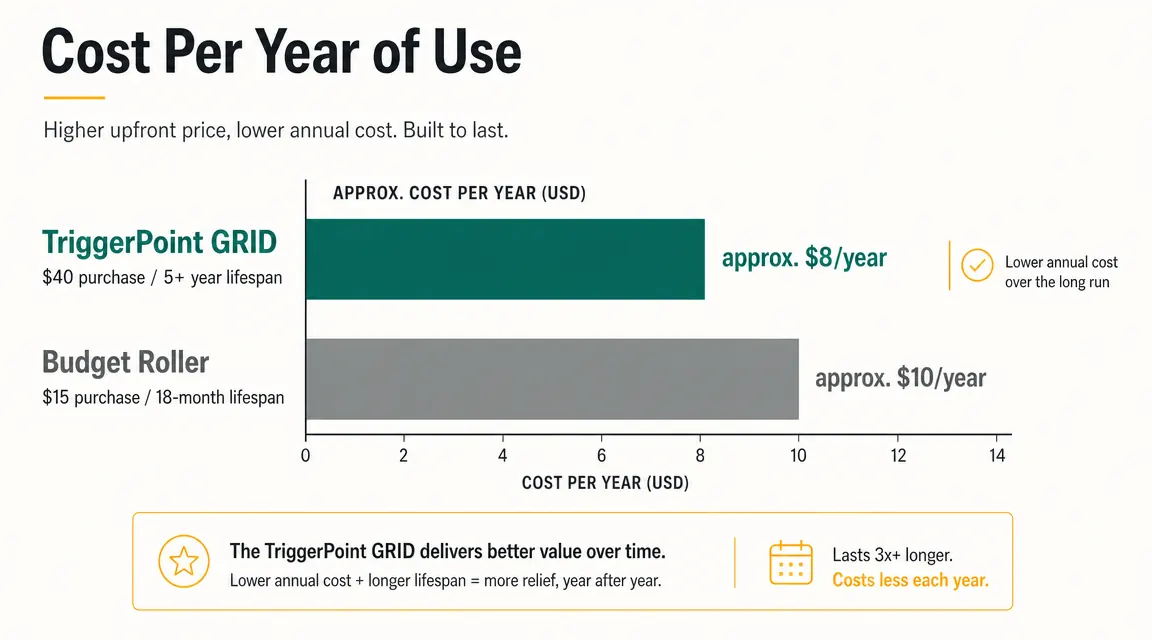
At current pricing, the TriggerPoint GRID 1.0 is the version most people should buy. The cost-per-year math is worth doing before you dismiss it as overpriced. A standard $15 EVA foam roller has a typical lifespan of 12 to 18 months with daily use before the foam compresses permanently and loses its effectiveness. You're looking at roughly $10 to $12 per year. The GRID's hollow PVC core does not compress or deform under body weight over time. It maintains its structural integrity for years. Multiple coaches I've spoken with are using units that are five or six years old and still performing identically to new. At $39.99 over five years, that is $8 per year, which is cheaper than the budget alternative.
There is also a hidden cost in soft rollers that the $15 price tag conceals: you are more likely to stop using a tool that doesn't produce clear results. If the GRID keeps you rolling consistently and a soft roller doesn't, the effective cost of the soft roller approaches infinity, because you bought it and stopped using it. I've seen this in enough training logs to take it seriously as a factor. Consistency is the variable that drives outcomes in foam rolling. A tool that produces clear, immediate sensation tends to have better adherence.
What the GRID Is Genuinely Best At
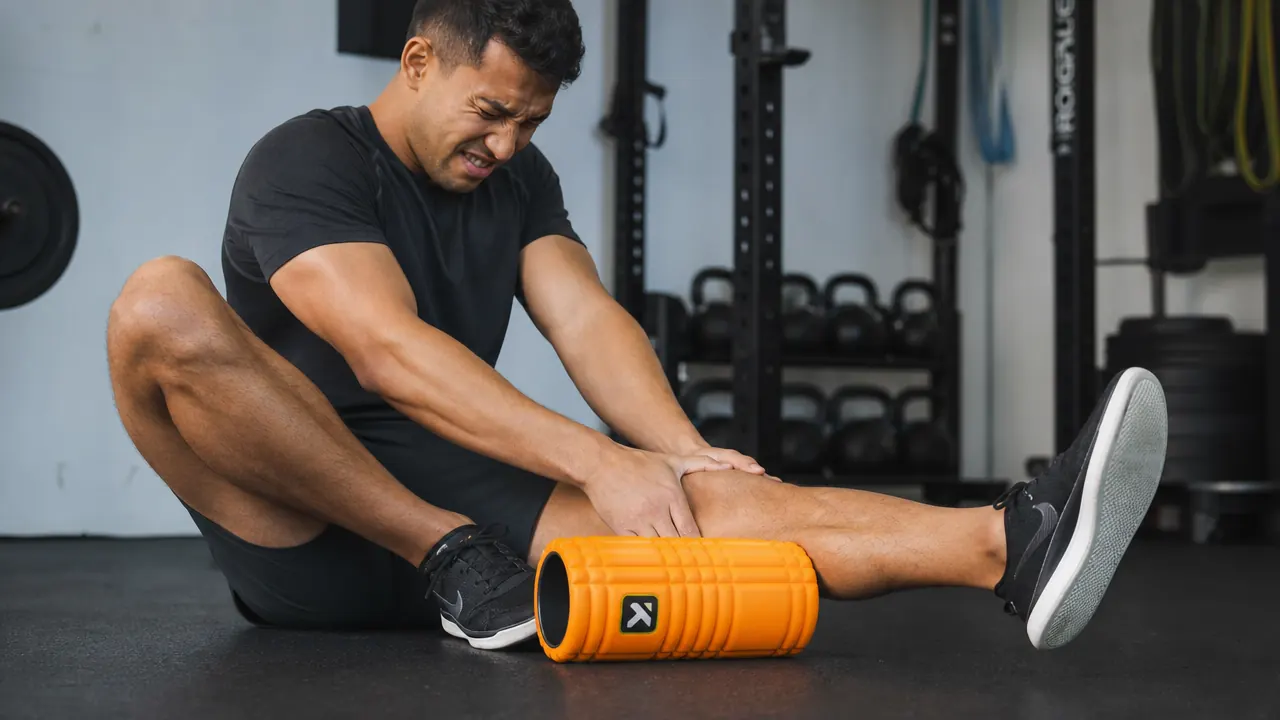
Thoracic extension is where the GRID outperforms every other tool in its price range. Placing it horizontally under the mid-back and extending over it segment by segment is the single most effective non-clinical intervention I know for desk workers and lifters who have lost thoracic extension over time. The hollow-core firmness creates the fulcrum you need to produce genuine spinal extension without collapsing. Soft rollers simply compress under the load and fail to create the lever.
IT band work is the second category where the GRID earns its keep. The IT band is a dense fibrous structure that runs from the iliac crest to the tibial plateau and requires sustained, direct compression to produce any tissue change. If you've ever rolled your IT band on a soft roller and felt almost nothing, that is because the roller deformed before sufficient pressure reached the fascia. The GRID's firmness delivers the compression. Combine that with the 5-10 second pauses at restricted areas and you will produce genuine neurological change in that tissue within three to four sessions.
Glutes and hip rotators round out the GRID's strongest use cases. These are bulky muscles that can tolerate high pressure and benefit from the channel pattern's ability to isolate sub-zones within the muscle belly. External hip rotators in particular, a common source of referred low back pain in lifters, respond very well to the GRID's surface texture at sustained pressure.
How It Compares to the Rumble Roller
The Rumble Roller is the primary alternative worth considering at a higher price point, and it uses a fundamentally different surface design: deep flexible knobs rather than multi-zone flat channels. The Rumble Roller is more aggressive, not less, so if the GRID feels like too much on calves, the Rumble Roller will feel significantly worse. The Rumble Roller's knobs dig into the tissue at a point, whereas the GRID distributes over a zone. For post-workout general flushing, the GRID is more appropriate. For highly targeted deep-tissue work on large muscles, the Rumble Roller is the better choice. They are complementary tools rather than direct substitutes. For a deeper side-by-side, the comparison at TriggerPoint GRID vs Rumble Roller covers the density, surface geometry, and specific protocols for each.
What I Liked
- Multi-density surface produces genuine tissue response on IT band, thoracic spine, quads, and glutes
- Hollow PVC core holds shape for years , structurally the same at year 5 as day one
- 13-inch length is ideal for thoracic spine extension work without rolling off the sides
- Cost-per-year math works out cheaper than soft rollers replaced every 12-18 months
- Widely available with strong brand warranty support if anything fails
Where It Falls Short
- Too aggressive for calves and other small-diameter, nerve-dense lower leg muscles
- Learning curve of 3-4 weeks before the pause-and-hold technique clicks
- Surface width is too broad to isolate small muscles like piriformis or proximal TFL
- No calf sleeve or attachment option , you need a separate lacrosse ball for targeted small-muscle work
- Price premium over soft rollers requires justified by consistent daily use to break even
Who This Is For
The GRID is right for you if you train at least four days per week and your main recovery bottlenecks are in large muscle groups: thoracic mobility restriction, IT band tightness, hip rotator tension, or quad tightness post-squat or run. It's also right for you if you've used a soft roller, felt almost nothing, and wondered whether foam rolling actually works. The answer is that it works, but the tool has to be firm enough to reach the tissue. If you have some background in physical therapy, sports massage, or structured mobility work, you'll be productive on the GRID within a week. For a detailed long-term protocol built over two years of daily use, see the long-term TriggerPoint GRID review for a full breakdown of periodized foam rolling across a training week.
Who Should Skip It
If your primary problem area is the lower leg, including calves, shins, peroneals, or Achilles tendon area, the GRID is the wrong first tool. Start with a softer roller, reduce body-weight load, and consider a massage stick for more controlled calf work. If you're brand new to foam rolling and have no bodywork background, starting with a medium-density roller will build the body awareness you need before stepping up to the GRID's firmness. And if you train two or fewer days per week, the cost math doesn't favor the GRID over a budget option at that usage frequency.
Your thoracic spine and IT band are telling you something. Give them the tool with enough firmness to actually help.
After years of watching athletes half-use soft rollers and wonder why nothing changes, the GRID is the tool that finally makes foam rolling feel productive. Check the current price, because it moves seasonally and is frequently discounted below $35.
Amazon Check Today's Price on Amazon →